Asthma
-

The Asthma Gender Gap
The female risk factor may sound surprising, as most people think of asthma as a childhood disease that affects boys more than girls.
-

‘We Called Him Itty’ – But He Had Big Dreams
Izaiah Fiedler tragically died from suicide whilte on montelukast for asthma. His family now advocates for improved asthma care and suicide prevention.
-

Patient Testimonial: Stephanie and Nate Lowe
Join Stephanie Lowe as she and her son Nate talk about their journey with asthma.
-

Ask the Allergist: Can Food Cause An Asthma Flare?
Neeta Ogden, MD answers the Ask the Allergist question: Do certain foods cause asthma attacks or symptoms to flare up? Are there any foods…
-

Patient Testimonial – Jeff and Cristin Buckley
The Buckleys share their tragic journey and remind each of us about how serious asthma can be.
-

Pediatric Asthma Yardstick: Step-Up Care for Children
Learn about the pediatric asthma yardstick to step-up care for children.
-
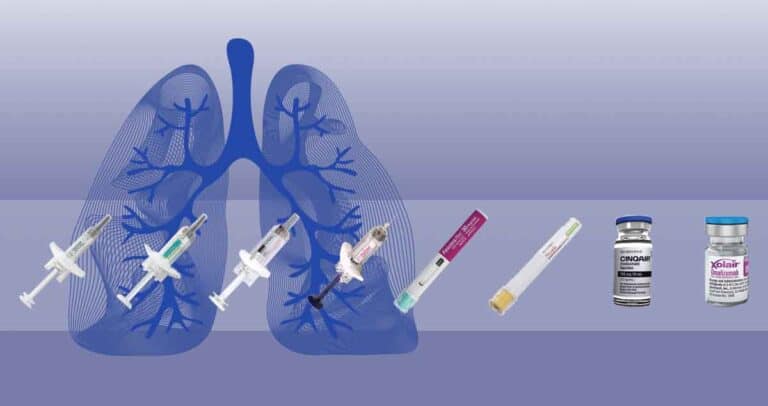
Video: National Summit on Biologics and Biosimilars
Learn about the power of medical innovation and scientific standards in healthcare, and why the patient voice is critical in asthma care.
-

Going Places: Your Travel Prep Timetable
Dreaming of your summer vacation – but also wondering how to keep asthma and allergies under control? Plan ahead with this resources.
-

Native American Children Face Many Barriers to Asthma Care
Only in recent years has the need for greater understanding about health disparities of Native American children with asthma become a priority.
-

New Asthma Tool Determines Best Treatment Options
The Shared Decision Making Tool encourages patients and clinicians to work together to improve self-management skills, choose the best treatment plan and increase adherence.
-

Patient Testimonial: Amanda Eisen
Amanda Eisen talks about her journey and her daughter’s world living with asthma and food allergies.
-
Leading Patient Advocacy Organizations Join Forces to Launch Program Aimed at Raising Awareness of Severe Asthma
Allergy & Asthma Network (AAN) and the Asthma and Allergy Foundation of America (AAFA) today announced the launch of Be the Boss of Your Asthma,…
All About
Asthma
Asthma is a condition that affects about 25 million Americans, including 7.7% of adults and 8.5% of children. Asthma used to carry a stigma about how active someone with the condition could be, but people with asthma can live an active life as long as they are aware of their symptoms and environmental triggers, and know how to manage their medications. Pollen, mold, air pollution, pet dander and indoor pests such as dust mites are common symptom triggers for asthma. Severe weather emergencies impact people with asthma as they need to consider their medication in case of evacuation. Environmental disasters such as wildfires can wreak havoc on asthma since smoke particles cause air quality to worsen. People with asthma should monitor air quality and be sure to include stress management, healthy diet and exercise in their daily lives. People with asthma can control their symptoms and keep themselves safe by following their Asthma Action Plan created in partnership with their doctor. Quick-relief asthma inhalers can help relieve symptoms that occur at any time, while maintenance medications control symptoms daily. Biologic medications are increasingly used to address severe asthma. Getting the flu shot every year and practicing good hygiene, especially when around large groups during cold and flu season, is always a good idea. Eating healthy and getting moderate exercise, as well as practicing stress-relieving activities like yoga and meditation, can also help protect people with asthma. Keeping an emergency kit that includes extra asthma medication and devices, copies of medical records and prescription refill information, respirator masks, a list of contacts and a medication plan in preparation for speaking with doctors or other healthcare providers is also useful. Allergy & Asthma Network hosts the USAsthma Summit every year to raise understanding about the chronic condition among community health workers and representatives from asthma programs from all over the country. They discuss strategies, guidelines and programs for asthma management as well as the latest clinical lessons and practices.