
What is Moderate to Severe Eczema?

Eczema is a chronic disease that affects 31.6 million Americans. Of those, nearly 4 out of 10 adults have moderate to severe eczema and about 3 out of 10 children have moderate to severe eczema.
Eczema is actually a collection of seven different skin disorders. The most common type of eczema is called atopic dermatitis (sometimes called atopic eczema). It is a skin condition that is often triggered by allergens or irritants, causing inflamed and sensitive skin. This can lead to itchy patches of skin with dryness, swelling, crusting, flaking, cracking and irritation. Symptoms tend to come and go. They can occur in different stages in some patients.
Eczema is classified as mild, moderate, or severe based on its symptoms and impact on daily life.
- Mild eczema involves small, localized patches of dry, itchy, and slightly inflamed skin. It causes minimal interference with activities or sleep and is manageable with moisturizers or over-the-counter treatments.
- Moderate eczema involves larger areas of inflamed and itchy skin, often with scaling, thickening, or cracking. It can disrupt sleep or daily tasks, typically requiring prescription topical treatments and consistent care.
- Severe eczema involves widespread swelling and intense itching, sometimes leading to bleeding or secondary infections. It significantly affects quality of life, making it difficult to sleep or concentrate, and requires more advanced intensive therapies.
The severity of eczema can fluctuate over time, with flare-ups making symptoms worse. Diagnosis by a healthcare provider helps guide appropriate treatment.
What are the symptoms of severe eczema?
Common eczema symptoms include:
- itchy skin
- dry skin
- inflamed skin or swollen skin
- redness on light skin; purple, brown or ashen gray in people of color
- flaking or cracking
- crusting on skin
- scaly skin
- open oozing skin
- sensitive skin
People with severe eczema may experience any or all of these symptoms most days of the week.
Full-body eczema is when you have symptoms all over the body. Eczema symptoms can appear on:
- face
- eyelids and around the eyes
- lips
- ears
- neck
- scalp
- hands
- arms and elbows
- feet
- legs and behind the knees
- ankles

What does severe eczema feel like?
People with severe eczema (or severe atopic dermatitis) may experience periods of intense skin itching or burning sensation. They may even feel like they are being poked with needles. Those with the most severe forms may experience these symptoms daily.
How painful is severe eczema?
Some people may experience pain from eczema. It can stem from skin inflammation, the sensation of burning, stinging or throbbing, or an injury from scratching.
Not everyone with severe eczema has pain, though. For those who do have pain, it can be quite severe. They report it can be as high as 7 on a 0-10 scale.
What does severe eczema look like?
Symptoms of eczema vary among people. The skin may look red and inflamed, or purple, brown or ashen gray on people with darker skin tones. Some people may have patches of lighter skin (called hypopigmentation) or darker skin (called hyperpigmentation).
The skin may appear rough and scaly. You may see oozing and scabbing. While the skin may make a person look ill, it is important to remember that eczema is not contagious.
Does severe eczema in black skin or brown skin look different?
For people with darker pigmentation to their skin, eczema may be harder to identify. It may be harder to see the rough, scaly patches of skin. You may not notice any redness. Instead, you may see darker brown or even purplish or gray-appearing skin. The website EczemaInSkinofColor.org is a great resource to see pictures of severe eczema in people of color
What is considered severe eczema?
There is no specific type of blood work or testing that measures the severity of someone’s eczema. Determining if someone has severe eczema largely involves:
- identifying and reporting symptoms, including the extent of the area affected (percent of the body surface);
- the severity of those symptoms (thickening of the skin, oozing, crusting, infection);
- areas affected (face, hands, feet, etc.);
- how frequently patients experience symptoms;
- patients’ ability to perform daily tasks (including sleep) and the degree of itching.
People with severe eczema may experience multiple symptoms daily that significantly impacts their quality of life. If you feel like you are seeing signs of worsening eczema, discuss your concerns with your healthcare provider. Tools are available to better understand and assess the severity of your eczema.

What causes moderate to severe eczema?
The cause of moderate to severe eczema is the same as mild eczema:
- a family history of the condition (certain genes can predispose people to eczema)
- a weakened skin barrier often due to a lack of the protein fllaggrin in the skin; this can result in very dry skin
- exposure to triggers such as allergens and irritants.
However, people with moderate to severe eczema have a much more overactive immune system. This can lead to excess inflammation in the body – called Type 2 inflammation.
Type 2 inflammation is a key contributor to moderate to severe eczema. It is driven by proteins in the body that cause high levels of histamine and eosinophils. This can contribute to severe skin inflammation, long-term symptoms, and even tissue damage if not well-managed.
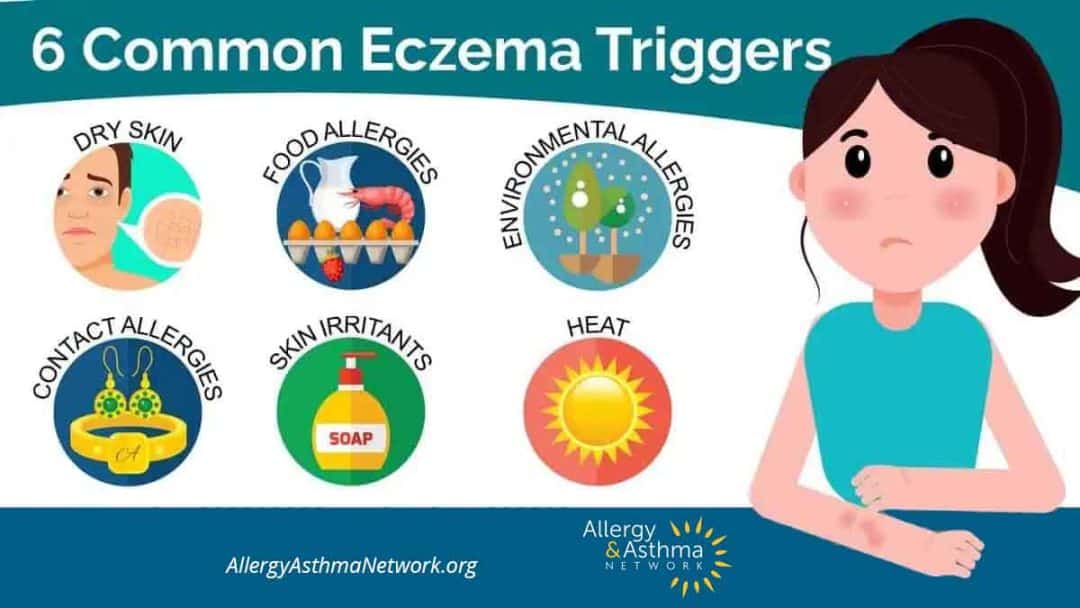
Moderate to severe eczema can be worsened by environmental triggers, including:
- Allergens (pollen, mold, pet dander, food)
- Bacterial, viral or fungal infections
- Skin irritants such as chemicals in cleaning products
- Dust mites, mice, cockroaches and other household pests
- Hormones
- Extreme temperatures (both hot and cold) and humidity
- Stress
- Tobacco smoke
People with other atopic conditions such as allergies or asthma are also more at risk for developing eczema.
Is severe eczema dangerous?
Severe eczema in and of itself is not dangerous. But the symptoms and side effects can be harmful in several ways. Eczema is known for the “itch scratch cycle.” Itching causes scratching, which causes inflammation, which causes more itching. And the more you itch, the more your skin gets irritated. It may crack and bleed and ooze. You can develop a compromised skin barrier where germs can get in and cause infection. If an infection spreads, it can be very dangerous, especially if you have a compromised immune system.
Another danger from eczema is its effect on mental health. Constant itching and even pain can affect a person’s appearance, ability to sleep, and ability to perform daily tasks. One survey found that 3 out of 10 people with eczema have been diagnosed with anxiety and/or depression.
Can stress cause severe eczema?
Stress is a common trigger for eczema flare-ups. Stress causes your body to produce more cortisol. An increase in cortisol can cause inflammation throughout the body. This includes skin inflammation. The eczema flare-up can lead to even more stress. If you have eczema, it is important to learn to manage stress.
How is moderate to severe eczema diagnosed?
There are no specific tests to diagnose eczema. Healthcare providers will conduct a physical exam, review your family and health history, and evaluate your skin and review your symptoms. They may perform skin or patch testing to look for specific allergies that could trigger symptoms.
Similarly, there is no specific way to determine the severity of someone’s eczema. Rather, healthcare providers rely on tools to help determine the severity of symptoms. These tools include:
- Eczema Area and Severity Index (eEASI)
- SCOring Atopic Dermatitis (SCORAD)
- Investigator Global Assessment (IGA)
- Patient-Oriented Eczema Measure (POEM)
- Atopic Dermatitis Severity Index (ADSI)
- Body Surface Area (BSA)
- Six Area, Six Sign Atopic Dermatitis (SASSAD)
These tools can help your healthcare provider understand your disease better and determine its severity.

What is the treatment for severe eczema?
While you may feel your symptoms are out of control, there is help for severe eczema in adults, teenagers and now in children 6 months of age and older. Here are four keys to eczema treatment National Eczema Association (NEA):
According to the National Eczema Association, there are four keys to eczema treatment:
1. Know your triggers
Understand what triggers symptoms or makes your eczema worse. Avoid triggers when possible.
2. Develop a bathing and moisturizing routine
Bathe in lukewarm (not hot) water. Use gentle cleansers and avoid harsh soaps. Don’t allow your skin to fully dry before applying moisturizers and topical medications (if prescribed).
- You may also want to consider wet wrap therapy. This involves placing moisturizer on the affected skin after the bath and then wrapping your skin in a warm, damp cloth or gauze. You can put light cotton clothing on over the wraps. And you can leave this on from two hours to overnight. This relieves inflammation and reduces itching. It helps reduce the need for medication, protects the skin and promotes healing. Wet wrap therapy can provide a lasting benefit.
3. Use over-the-counter (OTC) and prescription medications as directed
Your healthcare provider may advise you to use both OTC and prescription medications to help control your symptoms. These may include topical medicated ointments, creams or lotions; pills to reduce skin inflammation; or biologic medications (injections). Work with your healthcare provider to develop a personalized treatment plan to help manage symptoms.
4. Monitor your skin for signs and symptoms of infection
Skin infections are a serious risk associated with eczema. Part of treatment is monitoring your skin for signs of an infection. These signs may include:
- increased redness or purplish skin
- warm or hot skin
- swelling
- pain
- discharge (oozing)
- fever
For any signs of infection, contact your healthcare provider right away to determine the best treatment for you.
What biologics are available for severe eczema?
Biologics are medications that are made from living organisms such as humans, animals, plants, fungi, or microbes. They work by targeting specific immune cells that cause inflammation, including on the skin.
Biologics for eczema are designed to block specific proteins that cause skin inflammation. They can reduce inflamed skin, keep inflammation under control, reduce itch, and improve quality of life.
Biologics help stop symptoms before they can start, leading to disease suppression or remission. Dupilumab (Dupixent®) is the first biologic approved for treating eczema. Other biologics for eczema include tralokinumab (Adbry®), lebrikizumab (Ebglyss®) and nemolizumab (Nemluvio®).
Learn more about biologics at BiologicMeds.org.
What are JAK inhibitors for severe eczema?
Janus kinase (JAK) inhibitor medications are designed to block an overactive pathway of enzymes. They limit the production of immune messengers called cytokines that cause eczema symptoms. This reduces inflammation, skin thickness and scaling. It relieves itching and promotes clear skin.
Four JAK inhibitors are available: abrocitinib (Cibinqo®), delgocitinib (Anzupgo®), ruxolitinib (Opzelura®) and upadactinib (Rinvoq®). Cibinqo and Rinvoq are oral pills taken by mouth. Opzelura and Anzupgo are creams for the skin.
- Cibinqo, Opzelura and Rinvoq are approved for adults and children ages 12 and older with moderate to severe atopic dermatitis.
- Opzelura is also approved for children ages 2-11 with mild to moderate atopic dermatitis.
- Anzupgo is approved to treat chronic hand eczema in adults.
- Medication side effects may include mild nausea, nasal swelling, cough, headaches and high blood pressure.
- JAK inhibitors alter the immune system’s ability to react to germs, which can put patients at risk for bacterial, fungal and viral infections.
- FDA requires Black Box warnings on JAK inhibitors about increased risk of serious heart-related events and blood clots.
- JAK inhibitors are typically covered by insurance. Patient assistance programs and co-pay cards are available from manufacturers.
What is phototherapy (light therapy) for severe eczema?
Phototherapy, also called light therapy, is an in-office medical procedure conducted by either an allergist or dermatologist. It involves exposing the skin affected by eczema to ultraviolet (UV) light. A special light machine is used to deliver targeted bands of UV light. The amount of light exposure is timed and increased as treatment progresses.
Phototherapy can help reduce inflammation, relieve itching and boost the body’s ability to fight bacteria. It can be used in specific areas of the body that aren’t responding to other treatments, or over the entire body if needed.
Side effects may include sunburn, skin that appears to age rapidly, hyperpigmentation (darkening of the skin) in people of color, and possibly skin cancer.
Nearly 70 percent of patients who are treated with phototherapy have positive results. But it is not for everybody. Phototherapy is considered a second-line treatment for severe eczema. It is used only for patients who have not had success with other medications.
How is severe eczema treated in babies and toddlers?
For severe eczema in babies and toddlers, treatment involves identifying triggers, bathing and moisturizing. OTC and prescription treatments are more limited in young children and infants.
The biologic medication dupilumab is approved for use in children ages 6 months and older with moderate to severe eczema.
Can I use prednisone for severe eczema?
Prednisone is an oral corticosteroid and it is not typically prescribed for eczema. But in severe cases it may be prescribed for eczema flare-ups. This is only done for a short period of time. Long-term use of prednisone poses serious health risks, including weight gain, eye problems such as glaucoma or cataracts, elevated blood sugars leading to diabetes, thin bones leading to osteoporosis, and an increased risk of infection.
How does moderate to severe eczema impact mental health?
People often underestimate how much eczema can impact a person’s mental health and affect quality of life. Eczema is more than just a physical symptom. Many people with eczema suffer from anxiety and depression. They tend to avoid social interaction, isolate themselves, and avoid taking part in activities because of their skin appearance. Constant itchiness, oozing rashes and blisters can affect a person’s mood, spirit and resilience.
If you or a loved one is struggling with mental health due to eczema, seek help from a mental health professional. Talk with your doctor and ask for a referral if needed. Learn strategies to help you cope with eczema and lead a full and active life.
Some people may have suicidal thoughts due to eczema. If you or someone you know struggles with thoughts of suicide, please get help right away. Talk with a mental health specialist or call 988 (the Suicide & Crisis Lifeline) for immediate help.

Learn about Biological Medications: What they are, how they work, and who might benefit ➤
What are the complications of severe eczema?
Skin cracked by severe eczema can lead to skin infections, which can be very serious if left untreated. Topical steroid withdrawal is a potential complication for people using long-term topical corticosteroids. And let’s not forget the implications of severe eczema on a person’s mental health and quality of life.
Can severe eczema cause death?
Eczema cannot cause or lead to death. However, cellulitis, which is a serious skin infection, can cause death if left untreated. An eczema-related infection can spread to the full body, causing sepsis, which can be fatal. That is why a key component of eczema treatment is monitoring for infection.
Topical steroid withdrawal (TSW)
Topical steroid withdrawal (TSW) is a condition just now starting to be understood. It is a side effect that occurs in people when they stop using topical corticosteroids. TSW is more common in women who use topical steroids on their face or genitals.
According to the National Eczema Association, TSW symptoms may include:
- burning
- weeping
- flaking
- shedding
- peeling
- spreading
- swelling
- redness
- wrinkling
- thin skin
- pus-filled bumps
- cracking
- itching
- nodules
- pain
- insomnia
- hair loss
- shivering
- fatigue
- depression
- disability
More research is needed to understand TSW and how to prevent it and manage symptoms.
Infections due to severe eczema
When the skin barrier is compromised, it’s an invitation for bacteria and germs to invade. Often, your body’s immune system is able to fight off these invaders. But sometimes your body needs the help of modern medicine.
For signs of an infection, it is important to see your healthcare provider to determine treatment. This could include topical or oral antibiotics. For severe infections, you may need hospitalization for intravenous antibiotics and additional treatment.

How does severe eczema impact quality of life?
Eczema can significantly impact the lives of both adults and children. It affects their social interactions, mental health, and overall well-being. It’s not surprising — moderate to severe eczema can lead to constant pain and intense itching, making everyday life very challenging.
Sleep can also be difficult due to eczema symptoms. Lack of sleep or poor sleep increases the risk of anxiety, depression, and in some cases, even thoughts of self-harm, especially among teenage girls.
For children with eczema, the effects often extend to the entire family. When a child is in pain or struggling to sleep, it can disrupt the whole household, affecting everyone’s quality of life.

How to manage severe eczema?
One of the most important ways to manage eczema is to understand your triggers. Does extreme heat or weather changes trigger symptoms? Do certain soaps and detergents cause eczema to flare? Does eating certain foods trigger a skin reaction? See a board-certified allergist or dermatologist for testing and evaluation.
The most effective management may require prescription medication. But there is a lot that you can do to help ease your symptoms.
If you find your symptoms are worse in certain environments, including home or work, explore what in those environments might be triggering symptoms. It could be a chemical or pet dander or lots of dust. Once you understand what is triggering your symptoms, you may be able to reduce flare-ups.
Work with your healthcare provider to find the right bathing and moisturizing routine that helps manage symptoms.
How to manage eczema triggers
Identifying and managing eczema triggers is an essential step in controlling flare-ups and improving your quality of life. Work closely with your healthcare provider to determine what might be causing your eczema to worsen. Since triggers can vary widely from person to person, understanding your unique situation is key.
A great way to uncover your triggers is by keeping a detailed diary of your eczema. Record when and where your symptoms flare up and note any possible contributing factors. Consider these questions:
- Environment: Was there a change in weather, humidity, or exposure to allergens like pollen or pet dander?
- Products: Did you use a new soap, lotion, detergent, or shampoo?
- Diet: Did you eat a new food or a known allergen?
- Stress: Were you experiencing a particularly stressful situation? Stress is a common but often overlooked trigger.
- Activities: Did sweating, swimming, or contact with certain fabrics (like wool or synthetic materials) worsen your symptoms?
Once you’ve identified your triggers, develop a plan to avoid or manage them. For example:
- If a certain product irritates your skin, switch to hypoallergenic alternatives.
- If stress is a trigger, incorporate stress-reducing activities like yoga, meditation, or deep breathing exercises into your routine.
- For environmental factors, consider using a humidifier during dry seasons or an air purifier to reduce allergens.
Remember, identifying and avoiding triggers may not eliminate eczema completely. But it can reduce the frequency and severity of flare-ups. Regular follow-ups with your healthcare provider can help refine your management plan and ensure you’re on the right track.
Is there a best hand cream for severe eczema?
The best hand cream is the one that works best for you and your symptoms. Avoid hand creams with scents and dyes. Look for ones that are hypoallergenic. An allergist or dermatologist may be able to provide you with a list of hand creams to consider.
If you have chronic hand eczema that is moderate to severe, a JAK inhibitor cream called delgotinib (Anzupgo) is available by prescription. It is approved for adults.
Is there a best ointment for severe eczema?
Just like with hand creams, the best ointment is the one that works best for you and your symptoms. Look for an ointment with a high oil content (should be greasy) and without scents or dyes. Your allergist or dermatologist may offer recommendations.
Is there a best over-the-counter medicine for severe eczema?
Again, the best OTC medicine is the one that works best for you and your symptoms. Plenty of over-the-counter treatments are available for eczema. These include ointments, creams, topical hydrocortisone, antihistamines and even certain shampoos.
Talk with your doctor whether OTC medications are appropriate for severe eczema care.
Are there any home remedies for severe eczema?
Medications are typically the best treatment remedy for severe eczema. But you may want to try certain home remedies to better control symptoms. These remedies include:
- Follow a bathing and moisturizing routine. Bathing in lukewarm water with colloidal oatmeal can provide relief.
- Bleach baths or bathing with apple cider vinegar may help, but discuss those options and the correct way to do them with your healthcare provider.
- Cool compresses on itchy skin can help.
- Keep fingernails cut very short so you don’t irritate skin when scratching. If you must scratch, try stroking the itchy area using the top side of the hand instead of your fingernails.
- For babies with eczema, put mittens on hands. Your baby still may try to scratch, but not with fingernails.
- Find ways to distract yourself from itching. Stay busy so you keep your hands occupied.
Is there a best diet for severe eczema?
There is no specific diet that is best for eczema. Rather, eating a healthy diet is most helpful. Try anti-inflammatory foods such as fresh fruits and vegetables, whole grains and lean meats. Avoid processed foods.
If you have a food allergy, talk with your doctor about strategies to avoid the food that triggers your symptoms. Consider consulting a dietitian or nutritionist.
What foods should I eat or avoid to reduce my risk of eczema?
If you suspect a certain food is triggering your eczema, then avoid that food. You may want to get a food allergy or food sensitivity diagnosis from an allergist. The most common food allergens are: peanut, tree nuts, egg, cow’s milk, fish, shellfish, wheat, soy and sesame.

Can severe eczema be prevented?
Eczema is a chronic condition and there is no guaranteed way to prevent its onset or progression. However, there are strategies to reduce the risk of severe flare-ups and maintain better control over symptoms.
How can I prevent future eczema flares?
Preventing severe eczema flares involves a combination of trigger avoidance, keeping the skin well-moisturized, taking your medications as prescribed, and avoiding infection. Adhering to your treatment plan can prevent flare-ups.
- Start early: For infants at high risk of eczema (such as those with a family history of allergies or eczema), some studies suggest that daily moisturizing from birth may help reduce the likelihood of developing the condition. Breastfeeding and using hydrolyzed formulas in infancy may also provide some protective effects.
- Identify and avoid triggers: Allergens, irritants, stress, and certain foods are common triggers. Finding ways to avoid those triggers can help you prevent eczema flares.
- Maintain a healthy skin barrier: Use gentle, fragrance-free cleansers and moisturize regularly with thick, emollient creams or ointments to keep skin hydrated. Avoid hot showers and harsh scrubbing, which can strip the skin of natural oils.
- Manage stress: Practicing stress management such as meditation, yoga, or regular exercise can help keep flare-ups at bay.
- Follow your treatment plan: Prescribed medications can help prevent eczema from progressing to a more severe form.
- Address infections promptly: Severe eczema can increase the risk of skin infections. If you notice signs of infection, such as oozing, consult your doctor for appropriate treatment.
Can severe eczema be cured?
There is no cure for eczema, no matter its level of severity. Some people learn their triggers and are able to manage symptoms through trigger avoidance. For others, dealing with severe eczema is a lifelong challenge that requires long-term care and systemic treatments.
Can eczema lead to other diseases?
Eczema can lead to infections and negatively impact mental health. But there are other conditions that are often found with eczema. These are called comorbidities. Some comorbidities associated with eczema include:
- allergic rhinitis (hay fever)
- asthma
- food allergies
- alopecia (sudden hair loss)
- chronic urticaria (hives)
- osteoporosis
- substance use disorder
- ADHD
- metabolic syndrome
Reviewed by:
William E. Berger, MD, FACAAI, is a board-certified allergist and immunologist who serves as a media spokesperson and Chair of the Medical Advisory Council for Allergy & Asthma Network. He is a Distinguished Fellow and Past President (2002-03) of the American College of Allergy, Asthma & Immunology (ACAAI).
Are there other conditions that may look like eczema but are not eczema?
Several skin conditions can mimic eczema, but they differ in symptoms, diagnosis, and treatment. Here are a few examples:


