Allergy & Asthma Day Capitol Hill 2026: Urgent Need for Affordable Care
Published: February 4, 2026 Revised: July 8th, 2026
For millions of people living with asthma and allergies, access to medicine can mean the difference between staying healthy and facing a medical emergency. Many rely on daily medications to control symptoms and prevent complications. Others depend on lifesaving treatments during asthma attacks or severe allergic reactions.
However, a recent study found that six in 10 adults worry about being able to afford their prescription drugs. Four in 10 adults say they have had to delay care, skip doses or not fill prescriptions because of high drug costs.
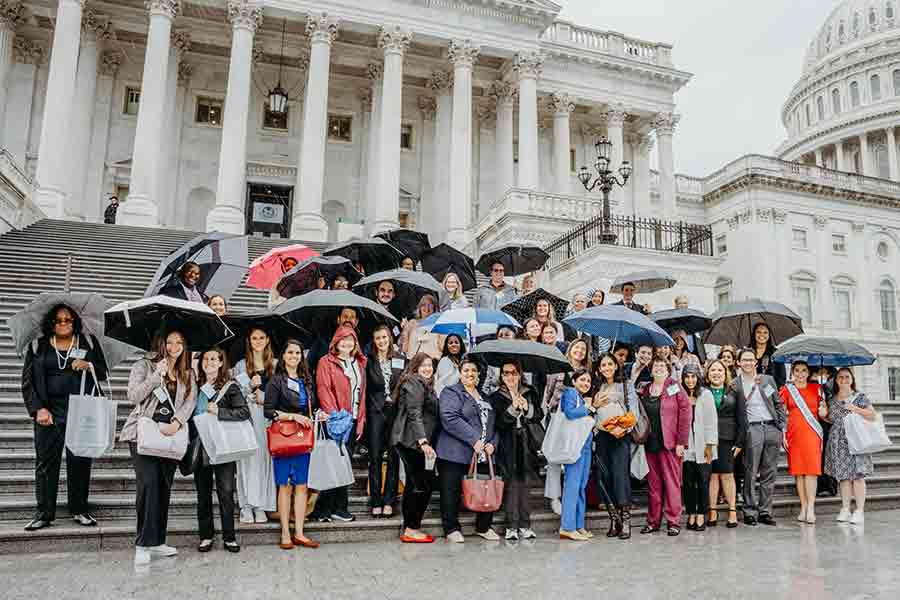
Amid this backdrop, Allergy & Asthma Network hosted its 29th annual Allergy & Asthma Day Capitol Hill (AADCH) on May 6 in Washington, DC. The theme, “Prescription for Progress: Bridging the Gap in Patient Affordability and Access,” highlighted the urgent need for solutions to high drug costs.
AADCH is Allergy & Asthma Network’s annual advocacy day. It continues the Network’s mission to ensure federal laws, policies and regulations help people living with asthma, allergies and related diseases. Advocates were on Capitol Hill to meet with members of Congress and their staff. They represented the patient voice at these meetings.
This year we had…
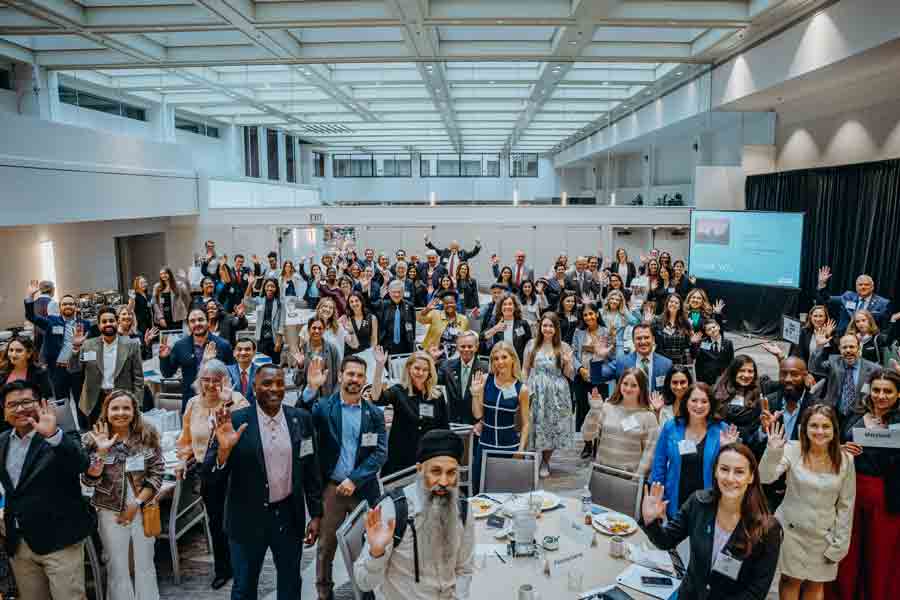
- 130 advocates from 26 states attended in person (including 8 young advocates who added a special energy to the day!)
- 119 meetings with legislators and/or their staff on Capitol Hill
- 493 advocates who sent 2,167 emails to members of Congress as part of our online advocacy campaign
Allergy & Asthma Network is leading national advocacy efforts on medication access, affordability and safety. Approximately 28 million people in the United States live with asthma, and more than 82 million have allergies.
“Access to lifesaving medication should not depend on a person’s income or insurance barriers,” said Nissa Shaffi, Head of Policy and Advocacy at Allergy & Asthma Network. “We are urging lawmakers to support legislation that helps make healthcare more accessible and treatments more affordable within health insurance plans.”
In addition to AADCH, Allergy & Asthma Network hosted its annual Social Advocate Summit on May 5. Advocates and social media influencers gathered to discuss how to better engage audiences on social media. They also discussed best practices for social media.
Legislative Priorities for 2026
In addition to advocating for more affordable medications, Allergy & Asthma Network will ask Congress to support four key bills during AADCH:
- Safe Step Act improves health insurance step therapy protocols and ensures patients can obtain the best treatment prescribed for them.
- Help Ensure Lower Patient (HELP) Copays Act requires health insurers to count the value of copay assistance toward deductibles or out-of-pocket maximums.
- Gio’s Law establishes a federal grant program to ensure that first responders have the medications and training necessary to save lives during allergic emergencies.
- One School One Nurse Act addresses the ongoing shortage of school nurses by providing grants for recruiting, hiring, and retaining school nurses in public schools.
Allergy & Asthma Network also advocated for continued funding to support asthma and allergy research and health programs at federal agencies. This includes the U.S. Centers for Disease Control and Prevention (CDC), the National Institutes of Health (NIH), the U.S. Department of Housing and Urban Development and the U.S. Environmental Protection Agency (EPA).
For a complete list of AADCH issues and priorities, visit our Advocacy Center.
Gio’s Law: Expanding Access to Epinephrine
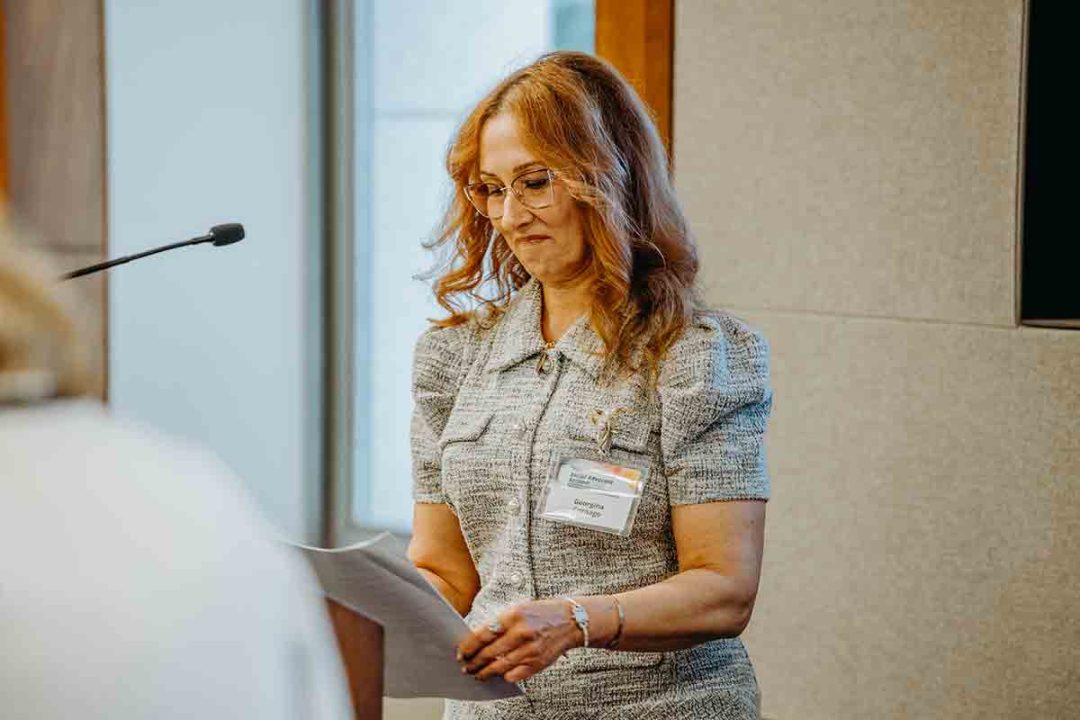
Allergy & Asthma Network was proud to honor Georgina Cornago with the first-ever Clarion for Policy Impact Award. Georgina is a longtime advocate for epinephrine preparedness legislation. The award was presented to her during AADCH.
In 2013, Georgina’s son Giovanni – “Gio” for short – ate a snack that he did not know contained peanut. Living with a peanut allergy, Gio had a severe allergic reaction.
In the rush to get treatment at a local urgent care clinic, Georgina and Gio misplaced his epinephrine auto-injector. Gio’s heart stopped on the way to the hospital, and he was without oxygen for nearly three minutes. Gio was put in a medically induced coma. Tragically, he died two-and-a-half weeks later.
After Gio’s death, Georgina dedicated herself to ensuring first responders, including police and fire departments, have access to epinephrine.
“When anaphylaxis happens, epinephrine is the only medication that can treat it,” Georgina said in remarks at the Congressional Lunch Briefing. “And it must be given immediately. When epinephrine is made available to first responders, and in public places, lives are saved.”
Georgina started the Love for Giovanni Foundation to advocate for Gio’s Law in New York State. The measure, which authorizes New York police and fire departments to carry epinephrine, was signed into law in 2019.
Now Gio’s Law is at the federal level. The bipartisan bill (H.R. 4019) was introduced in the U.S. House of Representatives in 2025. It establishes a federal grant program to ensure that first responders have the medications and training to save lives during allergic emergencies.
“My goal is simple: help create a world where no other families have to experience this kind of loss,” Georgina said. “We know epinephrine saves lives, but only if it is available, only if people are trained, only if it is given immediately,” Georgina said. “That is why Gio’s Law matters. That is why access matters. That is why education matters.”
Lawmakers Highlight Need for Better Access
Reps. David Valadao (R-CA) and Debbie Dingell (D-MI), who serve as Congressional Asthma & Allergy Caucus co-chairs, shared video remarks at a Congressional Lunch Briefing in the Rayburn House Office Building.
Valadao represents California’s San Joaquin Valley, which has the highest asthma rates in the state. “For a lot of families, managing asthma means juggling doctor visits, paying for medications, and trying to stay ahead of emergencies,” he said. “I have focused on practical bipartisan solutions to help address these challenges.”
Valadao and Dingell reintroduced the Elijah E. Cummings Family Asthma Act. The measure expands federal, state and local efforts to improve access to care for people with asthma.
Valadao also introduced the Supplemental Oxygen Access Reform (SOAR) Act. This would remove oxygen and oxygen equipment from Medicare competitive bidding and reimburse respiratory therapist services. Dingell signed as a co-sponsor of the bill.
“Each of these efforts is about making the system work better,” Valadao said.
Added Dingell: “As we continue this work your efforts and your partnership are essential. Share your stories and educate people, because you’re making a difference for millions of Americans. And I’m one of those stories. I’m a woman with asthma. And I won’t stop working with you.
“It takes all of us doing our part to make real and lasting change through strong federal funding, research, and increased awareness and support. Know that we are all in this together across the country to help people have longer and healthier lives.”


ACAAI Leaders Speak Up for Patients
Leaders from the American College of Allergy, Asthma & Immunology (ACAAI) spoke about the need for better healthcare access and affordability.
At a breakfast briefing, ACAAI President Cherie Zachary explained that more people are developing asthma and food allergies, especially in communities that already face challenges getting healthcare.
Dr. Zachary said many families struggle with the high cost of medicines and problems with insurance coverage. Environmental problems, such as poor air quality, can also make asthma and allergies worse.
ACAAI is asking Congress to help make healthcare easier for patients. One major concern is prior authorization, when insurance companies require extra approval before patients can get medicine. This process can delay treatment for days or weeks.
Advocates also called for lower costs for asthma inhalers and better access to epinephrine for people with severe allergic reactions (anaphylaxis).
During the Congressional Lunch Briefing on Capitol Hill, ACAAI advocacy leader Wes Sublett spoke about problems caused by Pharmacy Benefit Managers (PBMs) and insurance companies. He said some insurance rules make it harder for patients to get the medicines they need.
Sublett discussed ongoing drug shortages and efforts to stop insurance companies from delaying or denying allergy treatments.
Sublett also voiced concerns about restructuring at the National Institutes of Health (NIH). He warned that cuts to allergy and asthma research programs could slow medical innovation and limit patient access to future treatments.
ACAAI Executive Director of Advocacy & Government Affairs J. Allen Meadows, MD, was part of a panel discussion at the Congressional Lunch Briefing. He joined the National Health Council’s Jennifer Dexter and allergist and podcast host Payel Gupta, MD, in discussing insurance coverage and affordability issues, including pharmacy benefit manager reform (PBM) for doctors and patients alike.
Allergy & Asthma Network is grateful for ACAAI’s partnership and leadership in advancing patient advocacy during AADCH.

How You Can Stay Engaged and Involved
As AADCH 2026 concludes, advocacy efforts will continue throughout the year. Allergy & Asthma Network encourages patients, caregivers, healthcare professionals and advocates to stay engaged. Contact lawmakers and support policies that improve access to affordable care and lifesaving medications.
The Patient Advocacy Leadership Initiative (PALI) hosts monthly webinars that engage advocates. PALI is a national program that builds a strong community of patient advocates. They learn how to speak with lawmakers and share their stories to shape better health policies at the local, state, and federal levels. Check out the PALI schedule of webinars.
Together, advocates can continue building momentum for meaningful change for the asthma and allergy community.
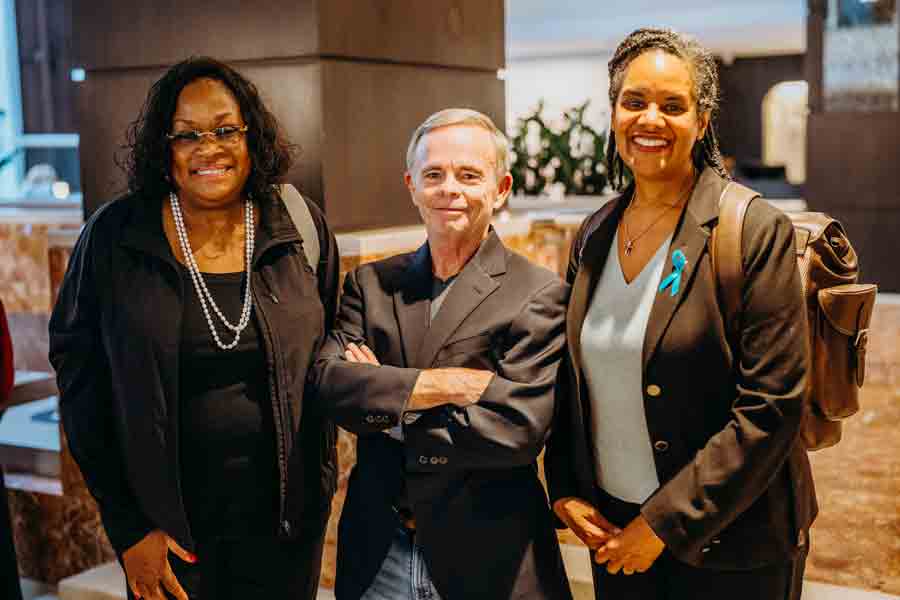 From left: ACAAI President Cherie Zachary, MD and former ACAAI President James Tracy, MD are joined by AAAAI President Carla Davis, MD at an AADCH welcome reception.
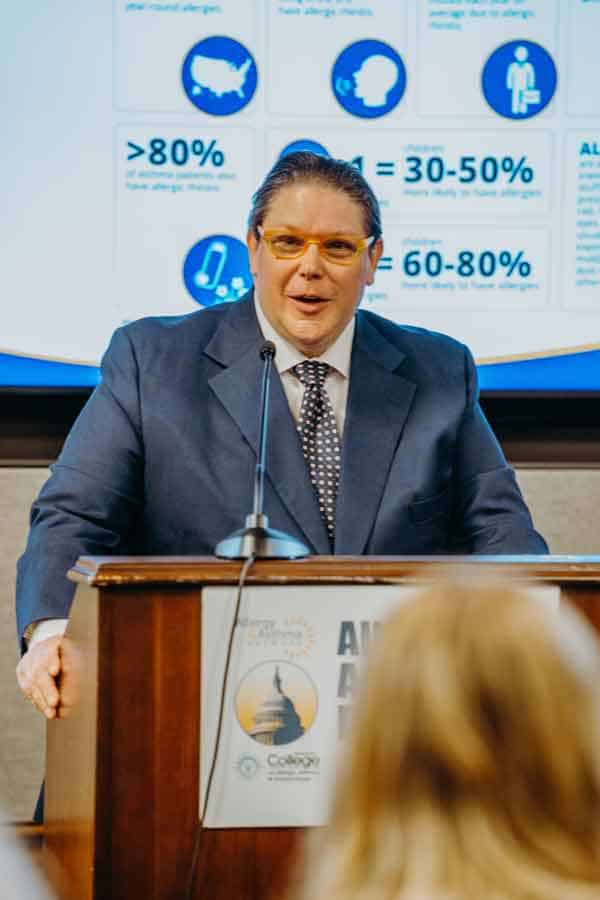 “Wes Sublett, MD, ACAAI Chairman of Advocacy, speaks at the Congressional Lunch Briefing on Capitol Hill.
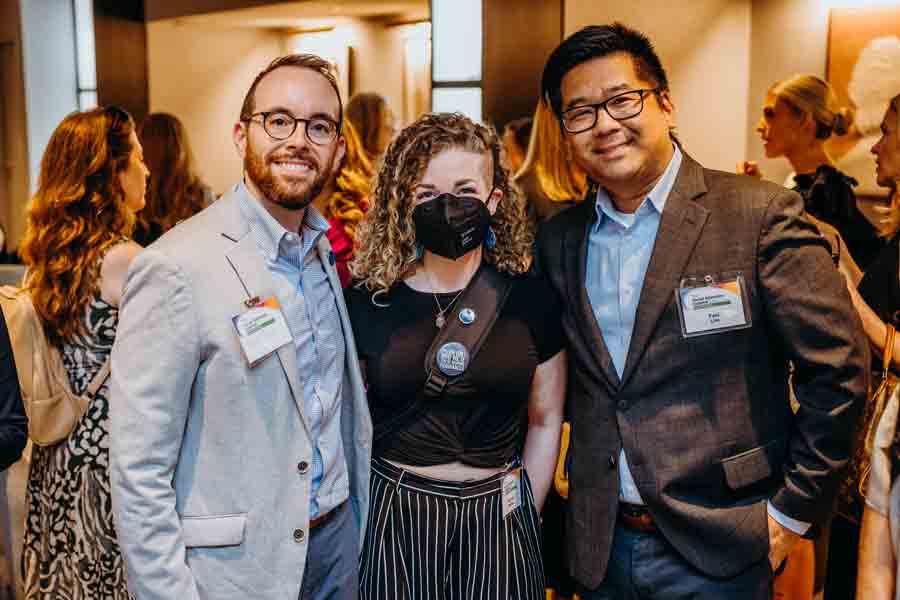 From left: Jeff Togal (advocate), Rachael Zinman (advocate), Paul Lim (BluePrint)
 From left: Adina Togal (Advocate), Ashley Baumann (advocate), Dr. Tracy
 From left: Miss Howard County Teen Volunteer, Ava Stephenson, at AADCH
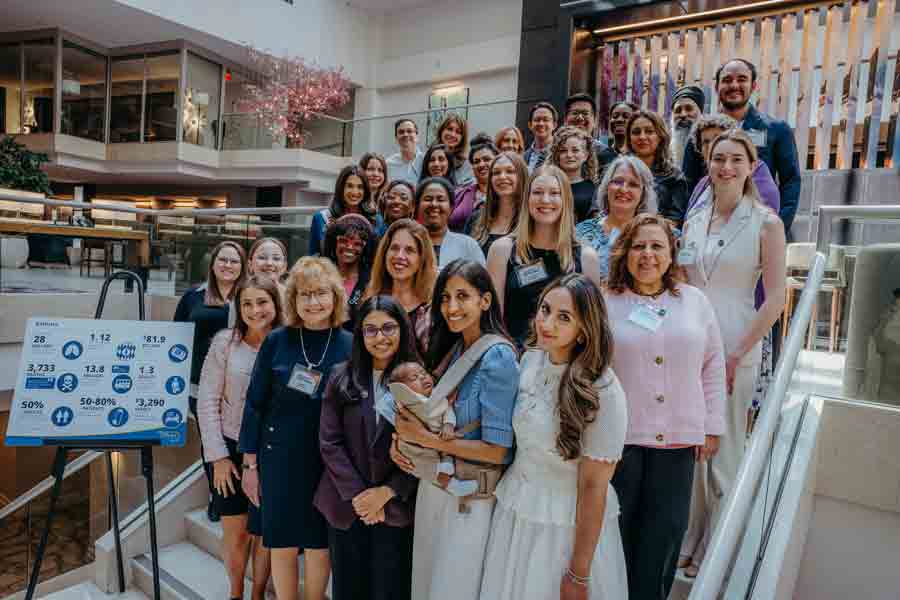 Social media advocates pose for a group photo at the annual Social Advocate Summit on May 5, the day before AADCH.
 Ashwin K. Shankar, MD
 Nissa Shaffi, Head of Policy and Advocacy, welcomes advocates to AADCH.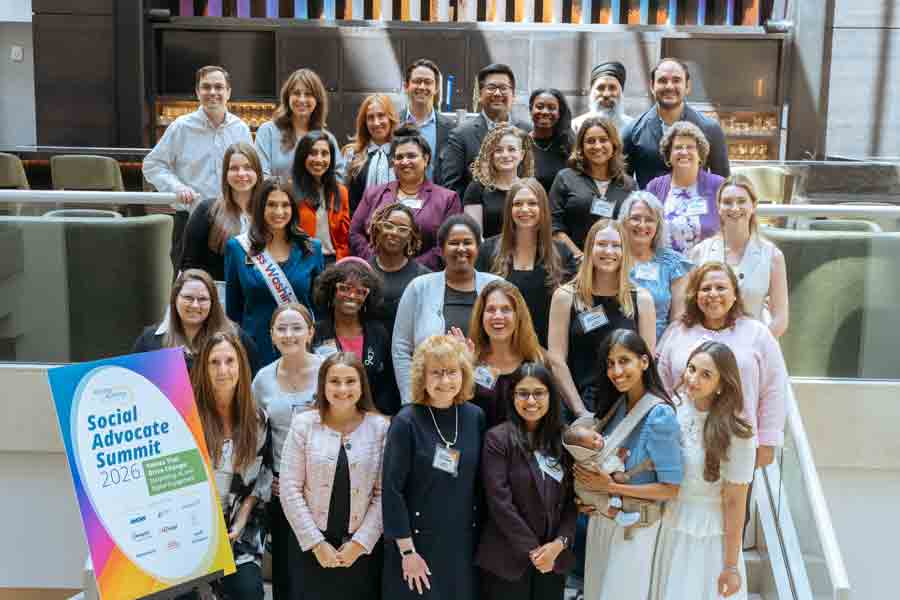
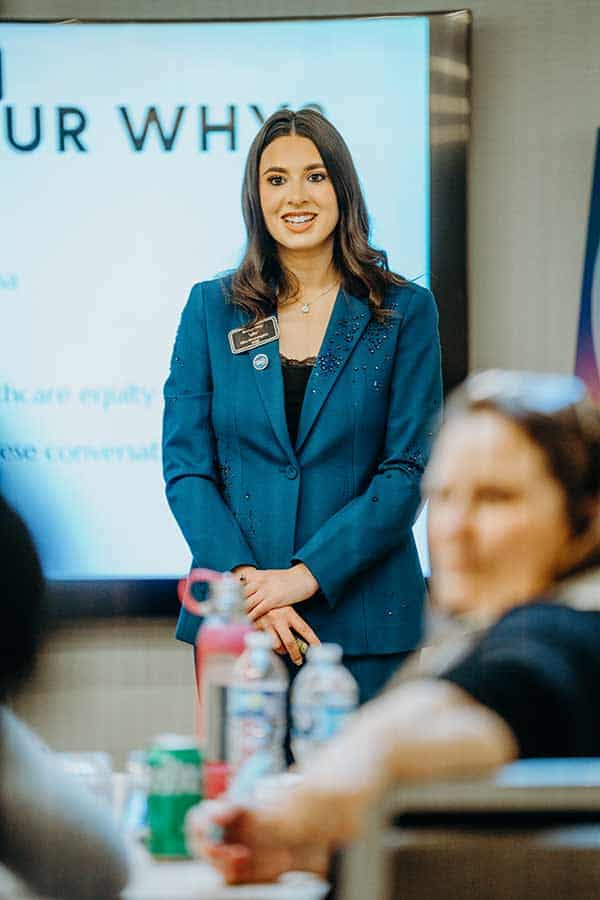 Amber Pike, Miss Washington 2025 speaking at Social Advocate Summit
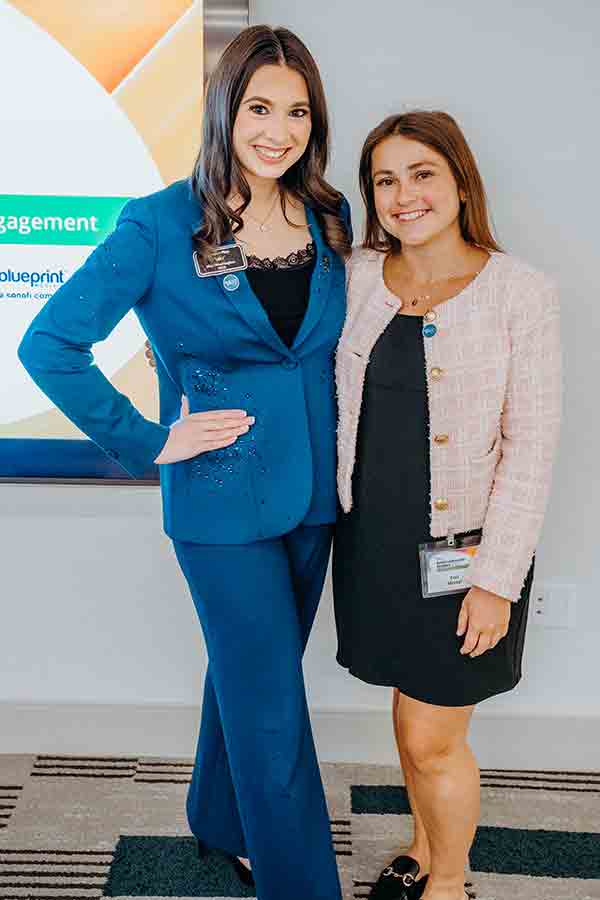 Amber Pike, Miss Washington 2025 and Tori Martel at Social Advocate Summit
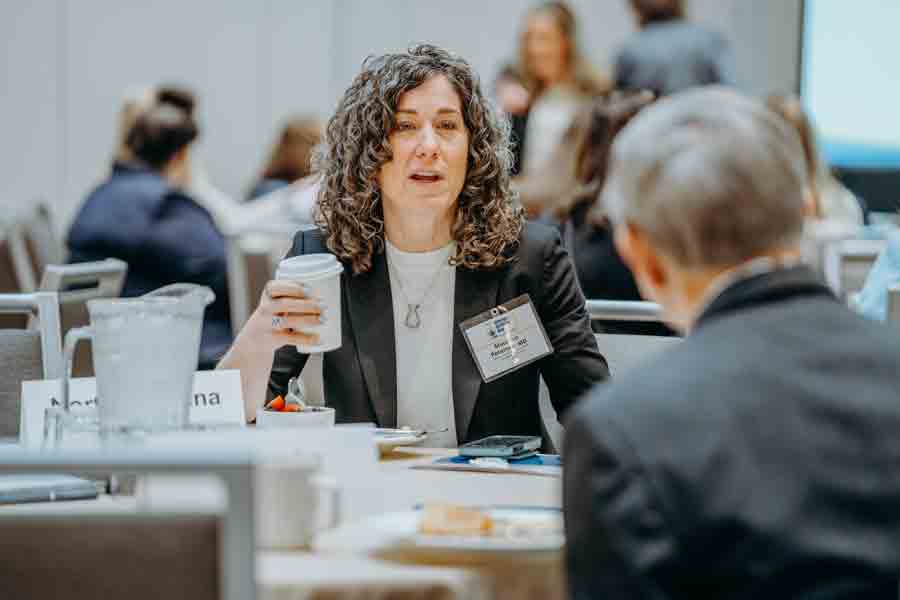 Maureen Petersen, MD
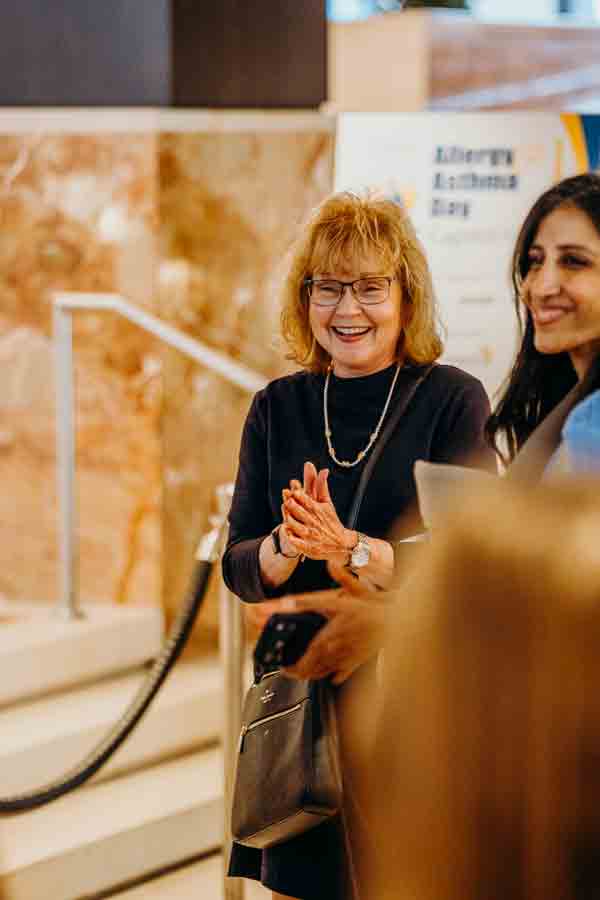 Lynda Mitchell welcomes advocates.
 From left: Community Advocate, Lynda Mitchell, Deedar Singh, Brandon Tabata
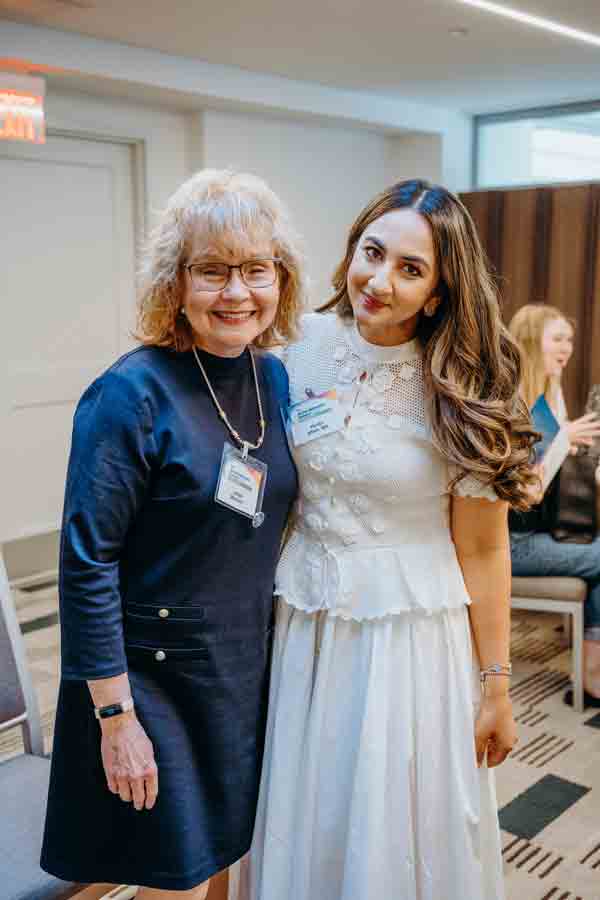 Lynda Mitchell and Huma Khan, MD at Social Advocate Summit
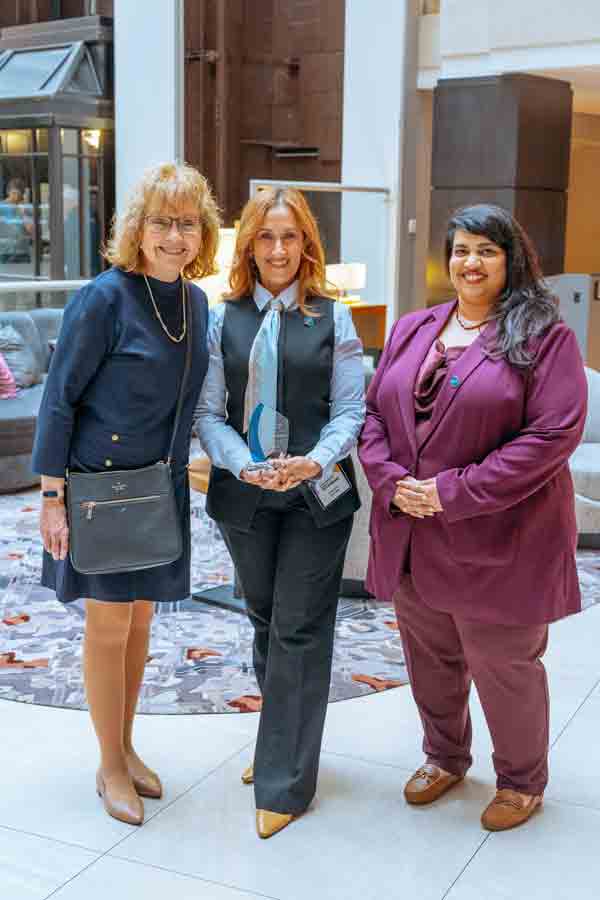 Lynda Mitchell, CEO of Allergy & Asthma Network, talks with Georgina Cornago and Nissa Shaffi, Head of Policy and Advocacy at Allergy & Asthma Network. Georgina is a longtime advocate for epinephrine preparedness legislation.
 From left: Angel Melendez talks with other community advocates at A
 J. Allen Meadows, MD, Executive Director of Advocacy & Government Affairs for ACAAI, discussed the need for pharmacy benefit manager (PBM) reform during a panel discussion.
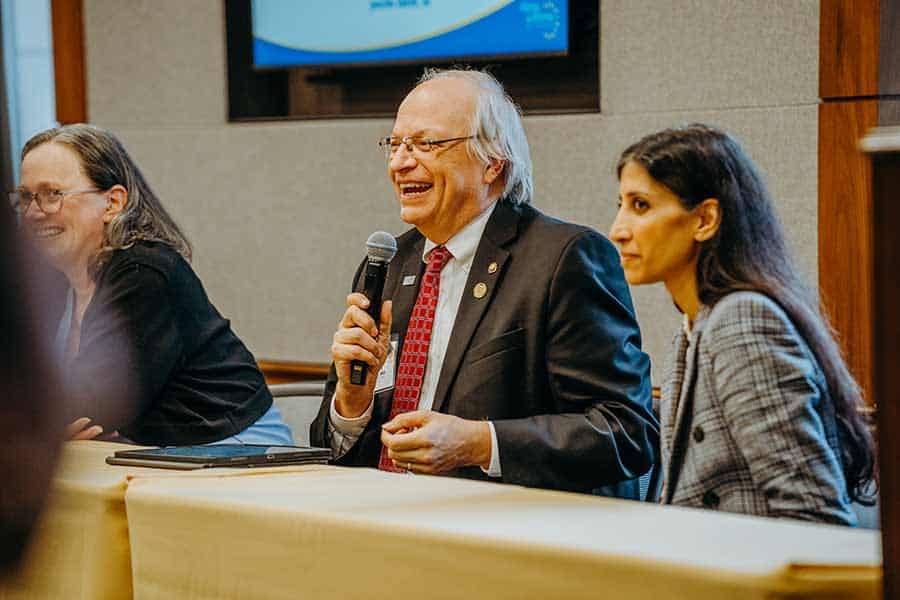 From left: Jennifer Dexter of the National Health Council, J. Allen Meadows, MD, of ACAAI and allergist and podcast host Payel Gupta, MD, speak during a panel discussion at the Congressional Lunch Briefing.
 Allergy & Asthma Network’s Tori Martel with Nissa Shaffi during AADCH.
 Nabeelah Khan and Juanita Mora, MD pose for a selfie
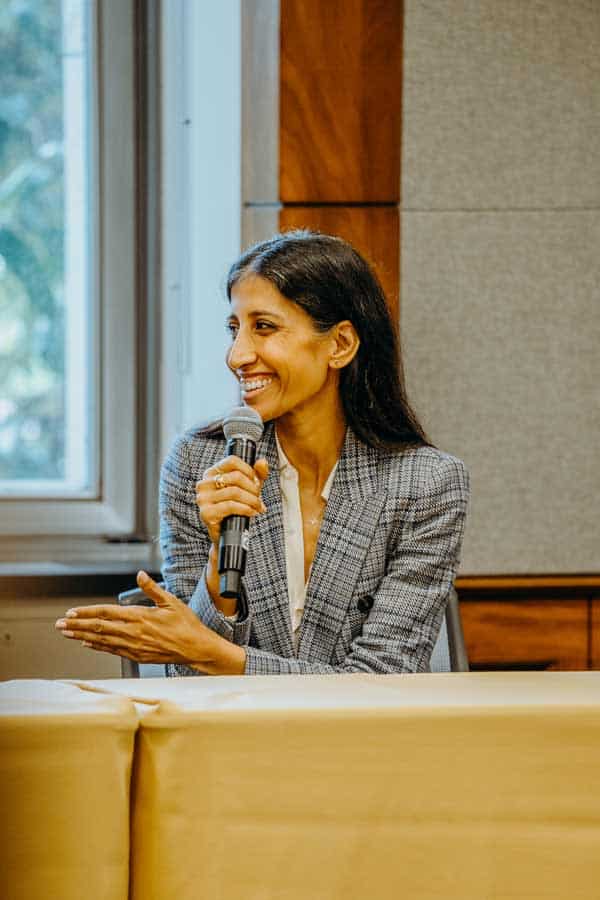 Allergist Payel Gupta, MD joins a panel discussion at the Congressional Lunch Briefing
 Allergy & Asthma Network’s Sherrina Gibson, Ruthie Marker and Adeela Abbasi at the AADCH Breakfast Briefing.
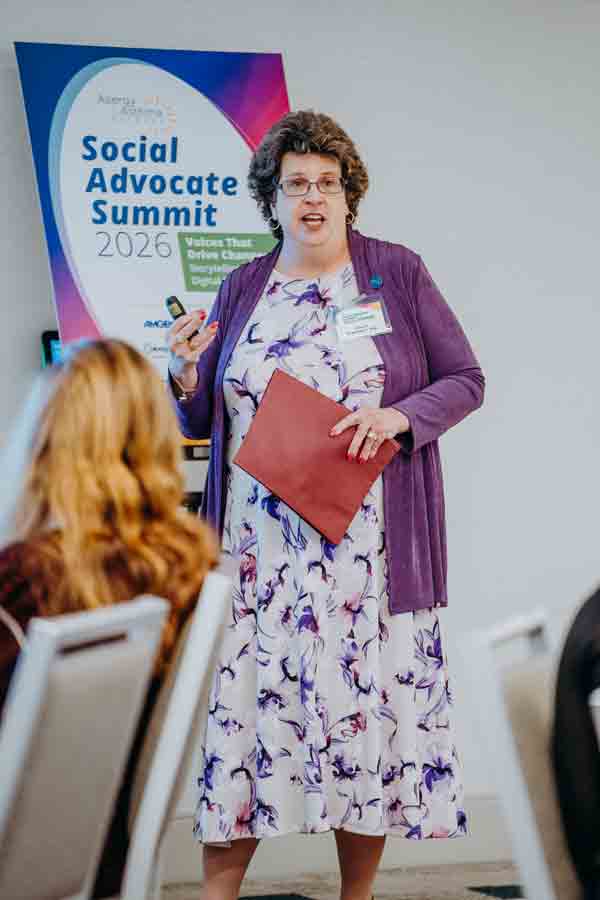 Laurel Francoeur, Esq. speaking at Social Advocate Summit
 From left: Kelly Fitzsimmons (Sanofi), De De Gardner, Brandon Tabata (Sanofi)
 Tess Ferm, Miss America’s Teen 2026 and Amber Pike, Miss Washington 2025
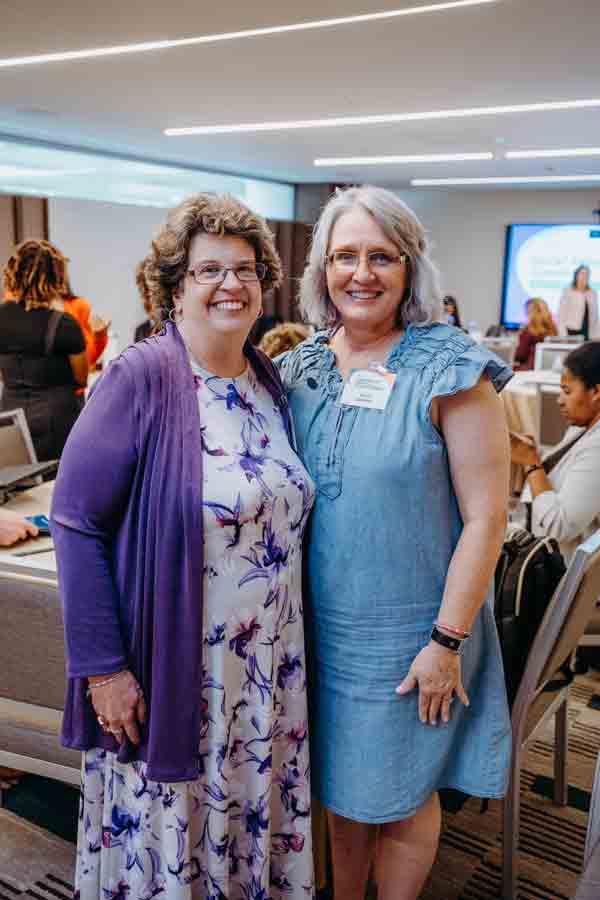 Laurel Francoeur, Esq. and De De Gardner
- School nurse leader Elizabeth Elliott, RN, a member of Allergy & Asthma Network’s Board of Directors, spoke during the Congressional Lunch Briefing. She addressed the challenges schools face managing and treating children with asthma and severe allergies.
- Georgina Cornago gave a heartfelt testimonial about the loss of her son “Gio” to anaphylaxis in 2013. Georgina is a longtime advocate for epinephrine preparedness legislation and leads efforts on “Gio’s Law.
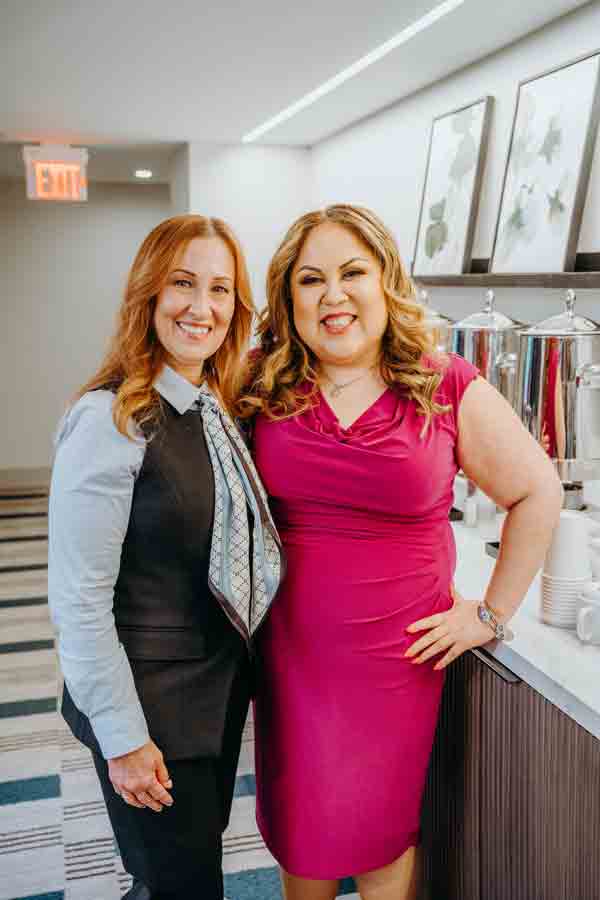 Food allergy advocate Georgina Cornago chats with allergist Juanita Mora, MD, at the AADCH Breakfast Briefing.
 Georgina Cornago, Kamilah Howard of ARS Pharma, Juanita Mora, MD, Nabeelah Khan of ARS, and Marcela Gieminiani at the AADCH welcome reception.
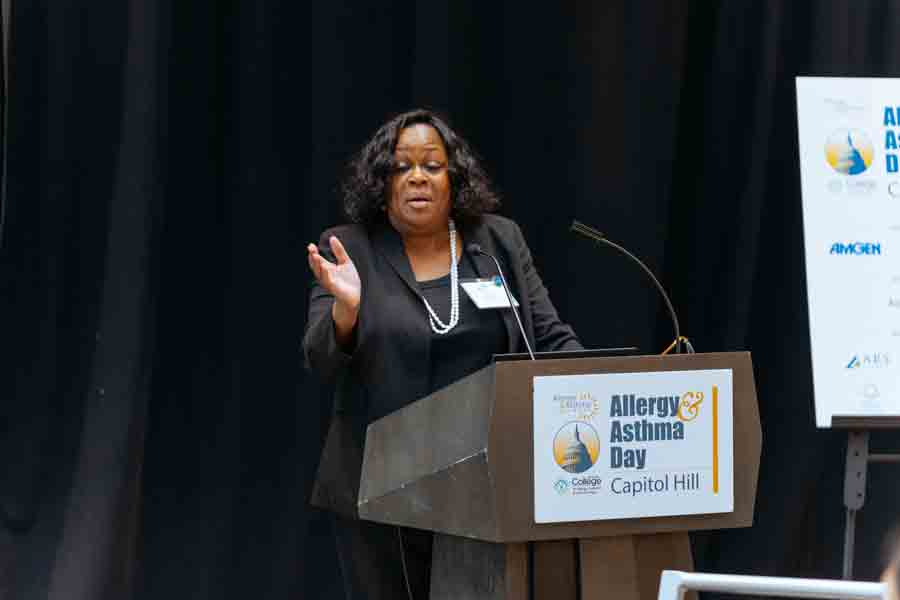 ACAAI President Cherie Zachary, MD, addresses the College’s advocacy initiatives during an AADCH Breakfast Briefing event.
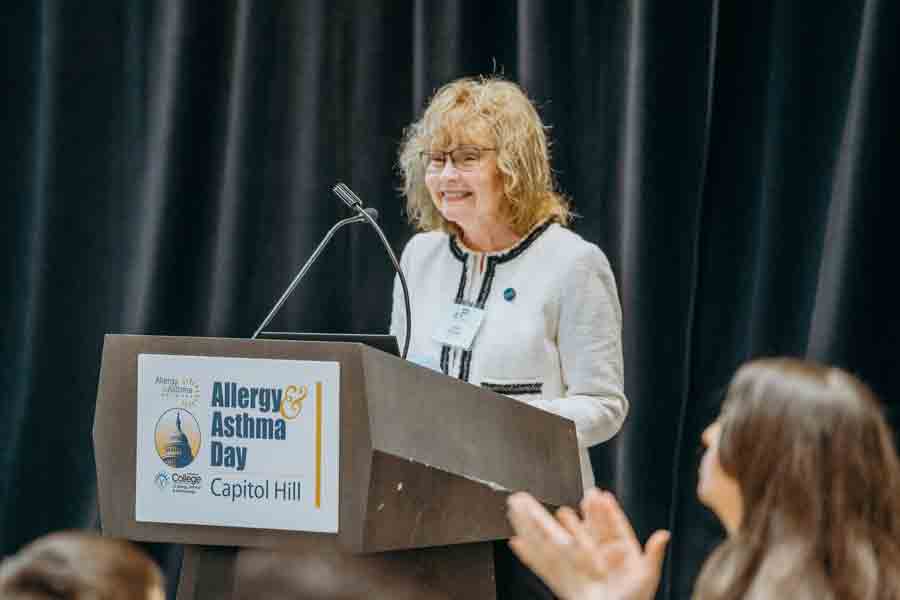 Lynda Mitchell, Allergy & Asthma Network CEO, welcomes advocates at the AADCH Breakfast Briefing.
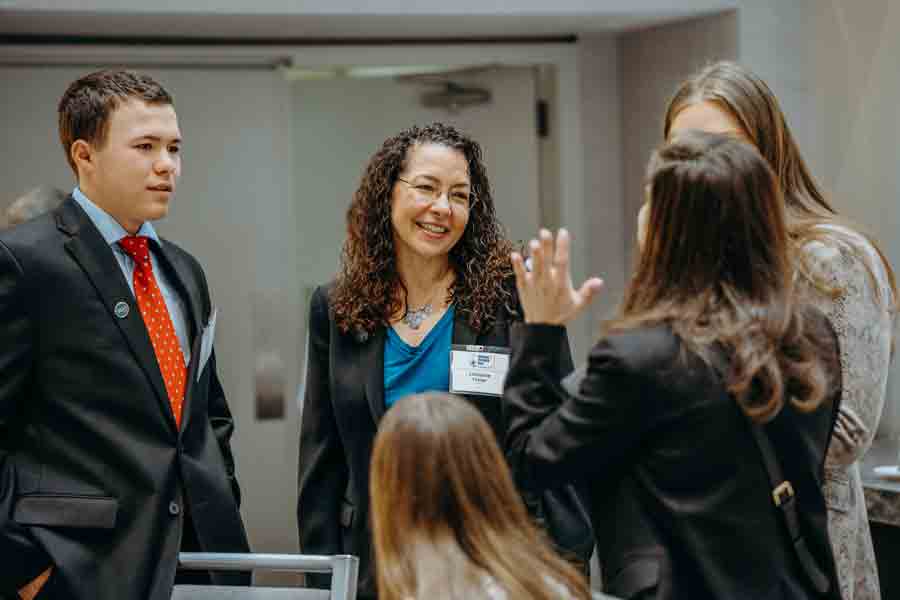 Advocates network and plan for their day of advocacy at AADCH.
 AADCH advocates brave the weather for a group photo in front of the U.S. Capitol
- AADCH advocates brave the weather for a group photo in front of the U.S. Capitol
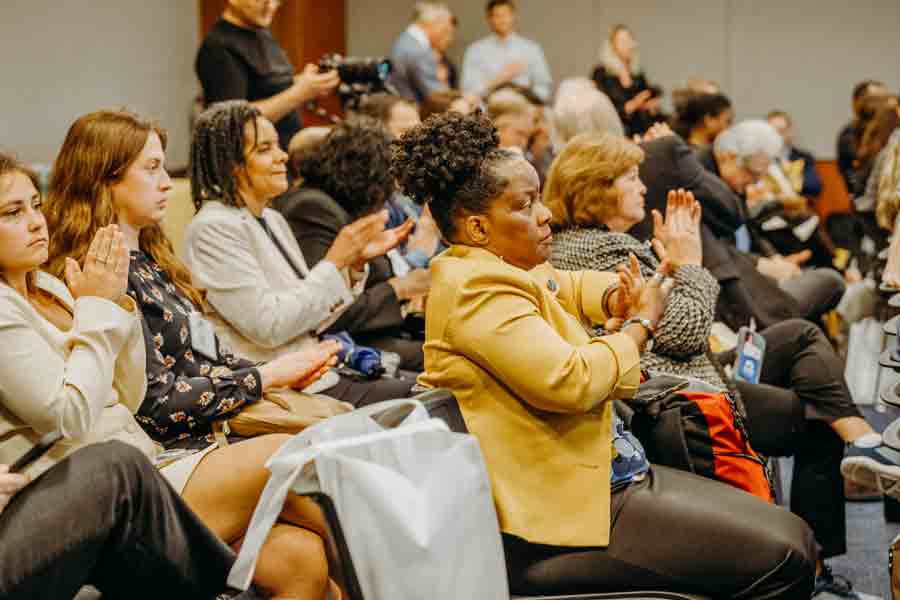 Advocates applaud speakers at the AADCH Congressional Lunch Briefing.


View or download all the photos from AADCH 2026
Supported by:
Gold Sponsors


Silver Sponsor

Bronze Sponsors