USAsthma Summit 2026: Why Community-Driven Asthma Care is Essential
Published: November 18, 2026 Revised: November 20th, 2026

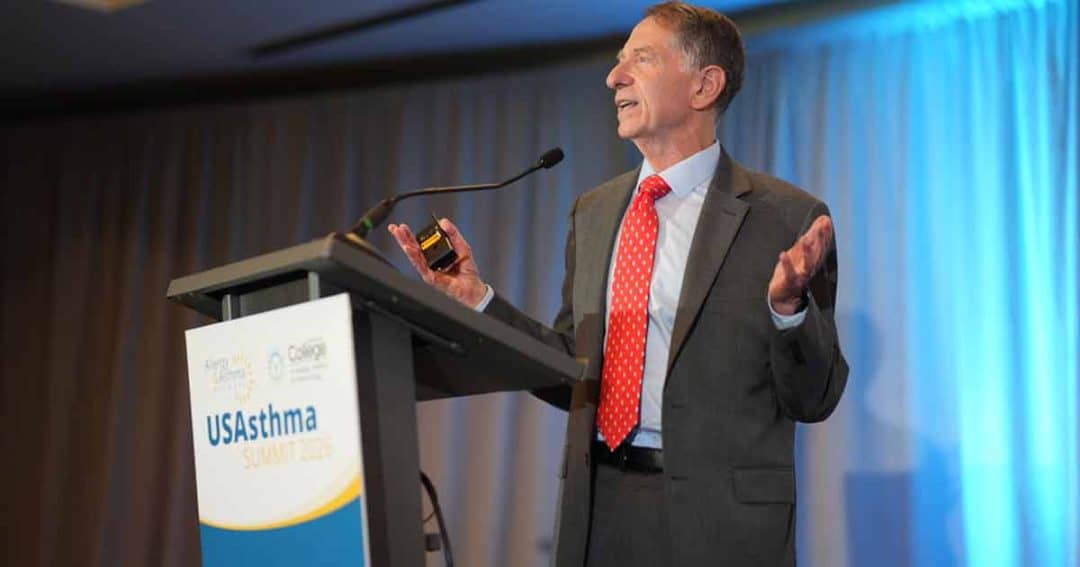
As asthma treatments and care continue to evolve, community-led solutions remain essential to improving patient outcomes and reaching people where they live, work and learn. That message was central at the 12th annual USAsthma Summit, hosted by Allergy & Asthma Network on Nov. 13, 2026, in Phoenix, Arizona.
Presentations explored the important role of community health workers, ways to create asthma-friendly environments, home-based interventions that reduce asthma triggers, and how asthma is affected by mental health. Allergists also examined the pros and cons of how AI could support these efforts and shape the future of asthma care.
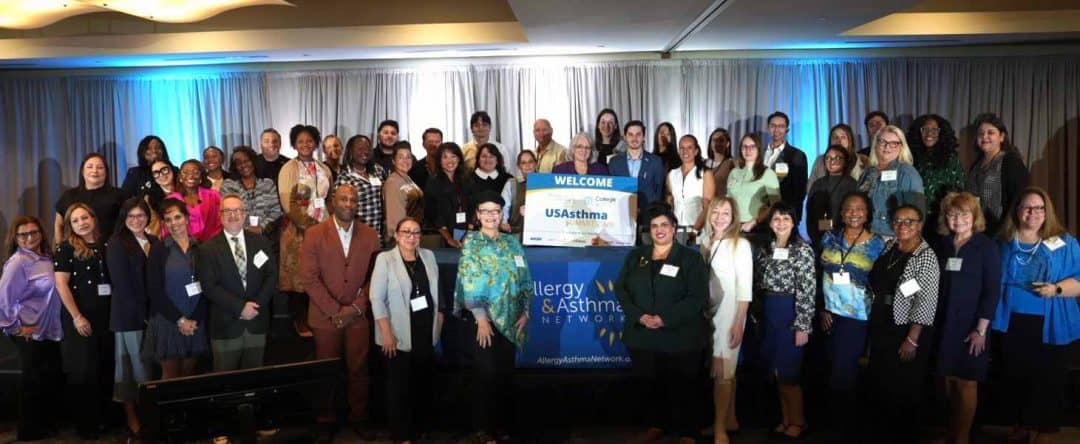
More than 50 people attended the in-person Summit, held at the Sheraton Phoenix Downtown hotel. Another 500+ joined via our free interactive livestream. The 2026 USAsthma Summit coincided with the American College of Allergy, Asthma & Immunology (ACAAI) Annual Scientific Meeting, also in Phoenix.
Asthma is a chronic condition that continues to be a major U.S. public health issue. More than 28.2 million Americans have asthma and about 10 people die each day of the disease. Many live with severe, uncontrolled or persistent asthma, with ongoing symptoms of cough, wheeze, shortness of breath and chest tightness.
“The USAsthma Summit has become one of the most important gatherings in our field. It brings together patients, caregivers, physicians, asthma educators, community health workers, school nurses, state asthma program leaders and many others from across the country,” says Lynda Mitchell, CEO of Allergy & Asthma Network.
“Each of us brings a unique perspective, and it’s only together that we can learn from each other and advance asthma care to close the gaps and make it more equitable, leading to better outcomes for patients nationwide,” Lynda added.
What is the USAsthma Summit?
The USAsthma Summit provides in-person and virtual attendees with an up-to-date look at the state of asthma in the United States and the need for guidelines-based asthma care.
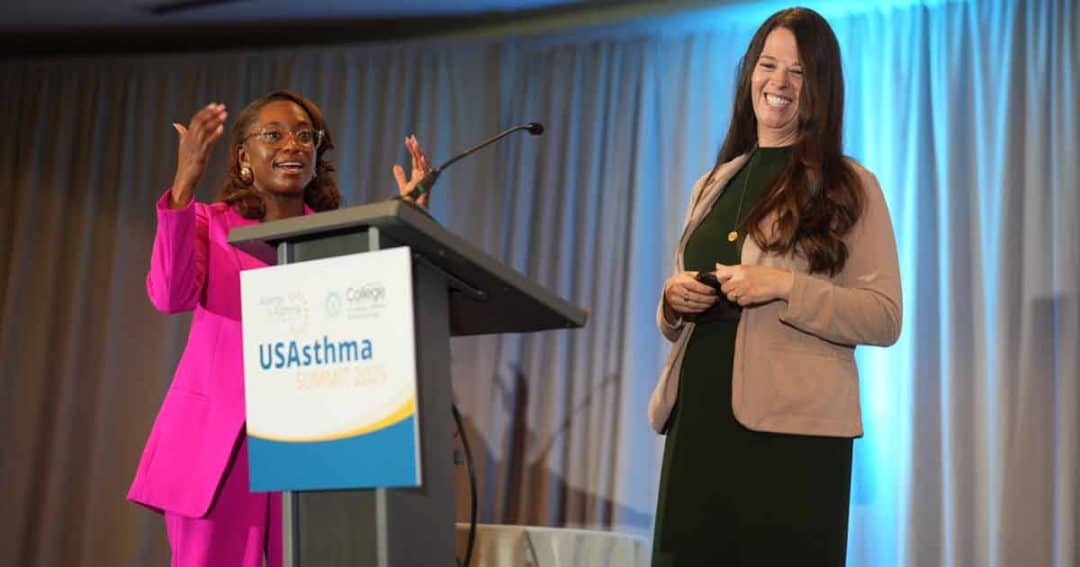
Sherrina Gibson, Analytics Strategy Consultant with Allergy & Asthma Network, served as moderator of the USAsthma Summit.
“Asthma affects all of us, if not directly then indirectly,” Sherrina says. “So when we put patients at the center of care, what can help us change what we do? We hear a lot about recommendations, and it’s very important to understand them.
“Communities are still grappling with disparities that leave Black, Hispanic/Latino, rural and lower-income families at higher risk. Public policy continues to shift in ways that directly affect the resources available for care, prevention and further research.
“So it’s also important to talk about what implementation looks like in people’s real lives.”
The Asthma Landscape in the United States
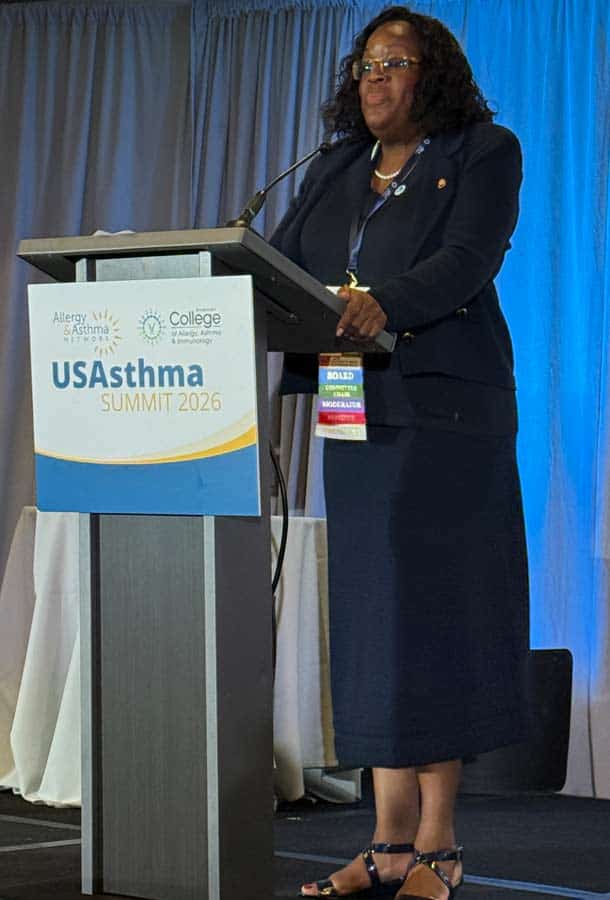
Cherie Zachary, MD, ACAAI President, discussed the progress being made in asthma care and what the future may hold. Many people living with asthma still face challenges, she says.
Over the past 20 years, asthma rates have increased by about 50%. While hospitalizations and deaths have declined since the late 1990s, asthma can still be life-threatening and greatly affect daily life. Black Americans and older adults continue to experience higher rates of asthma and asthma-related deaths. Environmental challenges, including climate change, air pollution, crowded cities and wildfires, may also make asthma and allergies harder to manage.
Dr. Zachary emphasized the importance of “getting the right treatment to the right patient at the right time.” Current guidelines recommend inhaled corticosteroids (ICS) as a key part of long-term asthma control. They also address using SMART therapy – a 2-in-1 inhaler consisting of ICS with a short- or long-acting beta-agonist – as a quick reliever.
For people with severe asthma or symptoms that are uncontrolled, additional treatments may include biologics and other medications. Newer therapies are helping more patients achieve better symptom control, and experts are working to define what asthma remission looks like.
Research is bringing even more treatment possibilities. These include oral medications that lower eosinophils, longer-acting biologics and new approaches that may help identify the type of asthma a person has. Some early research is also exploring RNA-based treatments and gene therapy. These advances could make asthma care more personalized and convenient.
ACAAI is working to improve access to quality care, reduce racial health disparities and gaps in care, encourage referrals to allergists and support research that improves asthma outcomes. Its advocacy priorities include the Allergy and Asthma Patient Protection Act, Medicare payment reform and reducing insurance barriers such as prior authorization.
Creating Asthma-Friendly Environments: Action, Innovation and Leadership
Matt Heister, MPA and Isabella Ameglio of the Environmental Protection Agency (EPA) discussed how healthier home environments can improve asthma control and prevent asthma attacks.
Environmental triggers such as dust mites, mold, pests and tobacco smoke can make asthma symptoms worse. National asthma guidelines recognize that reducing these triggers is an important part of asthma care. Research shows that in-home programs that identify and remove environmental triggers can improve asthma control and quality of life.
The EPA Asthma Program works with communities to expand these home-based services, especially for children with hard-to-control asthma. These efforts can reduce health care costs, improve health outcomes and help more families get the support they need. Strong community partnerships, shared data and funding are key to making these programs successful.
The presenters outlined three steps families can take to manage asthma.
- Talk with a healthcare provider to learn about asthma triggers. Identify them in the home and discuss treatment options.
- Create an Asthma Action Plan with a healthcare provider.
- Take steps to reduce or remove triggers in the home.
The presentation also highlighted the EPA’s National Environmental Leadership in Asthma award. This program recognizes outstanding efforts to improve asthma care through environmental health programs. Since 2005, 55 programs have been inducted into its Hall of Fame.
The 2026 award recipient is the City of San Antonio Metropolitan Health Department’s San Antonio Kids BREATHE program. (It’s also referred to as SA Kids BREATHE.) The award highlights the importance of community action in creating healthier environments for children with asthma.
Bridging Medicine, Research and Community: The Community Health Worker as a Healthcare Provider & Research Extender in Asthma Care
Floribella Redondo-Martinez, CHW, BS, of the Arizona Community Health Workers Association (AzCHOW), discussed the important role community health workers (CHWs) play in helping families manage asthma and improving access to care.
CHWs are trusted members of the communities they serve. They understand local needs, cultures and challenges. In Arizona, CHWs serve all 15 counties and 19 tribes. They help connect families with healthcare providers, community services and resources that can make asthma easier to manage.
Asthma support often starts at a family’s front door. CHWs reach out to families where they live, listen to their concerns, and identify needs that may go unnoticed. These may include mold, pests, smoke, poor air quality, high medication costs, transportation problems and language barriers.
Too often, families leave the hospital without clear instructions, needed medications, or help making their homes safer, Redondo-Martinez says. Even when there’s a good treatment plan, families may struggle to follow it. CHWs help explain asthma information in clear, culturally sensitive ways and connect parents with the services they need. Their support can help prevent emergency room visits and repeat hospital stays.
CHWs help researchers better understand the challenges families face. By documenting home conditions and listening to personal experiences, they provide valuable information that can lead to better asthma programs and treatments.
Redondo-Martinez called for greater recognition of CHWs as a critical part of healthcare. She urged healthcare systems to provide steady funding, Medicaid support and research opportunities for CHWs. Stronger partnerships can improve asthma care and reduce health gaps.
SA Kids BREATHE: An Advocacy and Public Health Intervention
The San Antonio Kids BREATHE (SAKB) program accepted the “National Environmental Leaders in Asthma” recognition from EPA. Mandie Svatek, MD, Medical Advisory Chair for SA Kids BREATHE, explained how the program helps children with asthma breathe easier and stay healthier.
The program was created through the efforts of the South Texas Asthma Coalition (STAC) and community partners. It provides free asthma education and support to children ages 3 to 17 with uncontrolled asthma in Bexar County.
Community Health Workers (CHWs) make three home visits during the first three months of the program. This is followed by check-ins at six and 12 months. They teach families how to use their inhalers and spacers correctly, understand medications, and follow an Asthma Action Plan.
CHWs check homes for triggers such as mold, pests, cigarette smoke and poor ventilation. Families may receive cleaning supplies, pest control kits and other helpful items. CHWs also connect families with healthcare providers, school nurses and community services.
The program has shown strong results overall. About 90% of children who complete the program achieve well-controlled asthma. Children’s Asthma Control Test (ACT) scores improve by an average of 6.2 points, and nearly 95% have an Asthma Action Plan. Hospitalizations have dropped by 47.8%.
SAKB also supports clean-air, anti-vaping, and healthier housing efforts, making it a strong model for pediatric asthma management.
The program’s success is dependent on strong community partnerships and continued funding. Its goal is to keep children out of hospitals, in school and active while helping families and healthcare systems save money.
Integrating Evidence-Based Behavioral Health into Asthma Care
Amanda Whitehouse, PhD, a licensed psychologist, discussed how mental health affects asthma and why treating both is important.
Anxiety and depression are more common in people with asthma. Children and teens with asthma have nearly twice the rate of these conditions as their peers. Anxiety and depression can make asthma harder to control and increase emergency room visits. Stress can also make asthma symptoms worse.
Whitehouse explained that living with asthma can cause fear, stress and exhaustion. A frightening asthma attack may make someone constantly worry about their breathing. Others may ignore symptoms until they become serious.
These reactions are ways people try to protect themselves. They are not signs that they are failing to manage their asthma. Some people may also develop post-traumatic stress after a severe attack.
Many things can make asthma care harder, including medication costs, trouble finding doctors, family stress, poor housing and feeling judged by healthcare providers. Some asthma medicines can also affect mood. For example, montelukast and oral corticosteroids may cause mood changes in some people.
Whitehouse encouraged healthcare providers to listen without blaming patients. Use mental health screening. Ask about past frightening attacks, check for signs of anxiety and depression, and connect patients with mental health support when needed.
Treatments such as talk therapy, trauma-focused therapy and gentle breathing exercises may help people manage stress better and improve quality of life. Caregiver support is also important.
Helping people feel safe, heard and supported can improve their asthma control and overall well-being, Whitehouse said.
Federal Mandates, Local Realities: Strategic Priorities to Advance Asthma Care Delivery in the 120th Congress
Asthma care depends on more than having effective treatments. People need to afford their medicines and get the care that is prescribed. These challenges were at the center of a panel discussion with allergist Payel Gupta, MD, Miriam O’Day of the American Association for Respiratory Care, and patient advocates Ashley Strozier and Clarissa Ruffin. (Clarissa, 14, is Ashley’s daughter.) The panel was hosted by Allergy & Asthma Network’s Head of Policy and Advocacy Nissa Shaffi.
Clarissa opened the panel discussion by talking about her asthma.
“I’m from Flint, Michigan,” she said. “If you know about Flint, you know my community has faced some environmental challenges. I’m a child of the Flint water crisis. I currently do not have two full lungs as a result of that. But I have not allowed this to stop me. Growing up in Flint taught me that clean water, clean air, safe schools, and healthy neighborhoods should never be taken for granted.”
Clarissa shared that she does not want her life to be defined as a person with asthma. Rather, she wants to be seen as a scholar, student and advocate.
The panel then explored federal policies that could improve asthma care and access. Key concerns included high medication costs, insurance barriers, changes to Medicaid and Affordable Care Act coverage, delays caused by prior authorization, and shortages of asthma specialists.
Nissa discussed several proposed bills.
- The SOAR Act would address access to supplemental oxygen.
- The AIR Act would support the role of respiratory therapists in patient care.
- The Safe Step Act would give patients more protection when insurers require them to try less expensive treatments before approving the medicine their doctor recommends.
Nissa also highlighted the need to make telehealth reimbursement permanent, improve prior authorization processes, and protect funding for federal health agencies.
As a patient advocate, Strozier shared her experiences navigating the healthcare system. This included the challenges of getting needed care approved. Her story showed how policy decisions affect patients and families in everyday life.
Medical advances matter only when people can access and afford them, the panelists agreed. Patient voices and advocacy are essential to helping lawmakers understand the challenges and create policies that improve asthma care.
The Great Digital Debate: How AI and Social Media Shape Asthma Care
Allergists Payel Gupta, MD, and Michael Blaiss, MD, shared opposing views on how artificial intelligence (AI) and social media are changing asthma care.
Dr. Gupta argued that digital tools can help improve asthma care. Many people with asthma still struggle to control their symptoms because of missed diagnoses, trouble taking medicine as directed, and incorrect inhaler use. Access to asthma specialists is also limited in many communities.
AI can help healthcare providers spot asthma risks, improve diagnosis, and make better treatment decisions. Studies show that digital tools can reduce asthma attacks by about 50% and improve medication use by about 15%. Telemedicine can connect patients in underserved areas with specialists. Social media offers another way to share trusted health information and help people better manage their asthma.
Dr. Gupta said that AI is not meant to replace medical advice but support it. However, these tools must be tested, monitored, and made available to everyone.
Dr. Blaiss raised concerns about the risks of AI and social media. He warned that these platforms often reward content that gets attention rather than information that is accurate. As a result, misleading asthma advice can spread quickly, especially when shared by people who are not healthcare professionals.
AI chatbots can also give wrong answers – but with great confidence. This can be misleading to patients. Some studies have found that AI responses to emergency care questions can even be dangerous. Many responses also lack reliable sources.
Dr. Blaiss cautioned that these tools are reaching millions of people without enough testing, oversight, or ways to catch mistakes. His message was not to reject these tools, but to hold them to the same high standards as other parts of patient care.
Patients at the Center of Asthma Care: Real Stories, Real Perspectives
Three patient/caregiver panelists – Richard Redondo, Clarissa Ruffin and Ashley Strozier – shared how asthma affects their daily lives and what they wish others understood about the condition.
They spoke about managing asthma, speaking up for their needs and helping others understand the challenges they face. The discussion focused on listening to patients with respect and without judgment.
Planning ahead has made a big difference for Richard and Clarissa. Richard learned to recognize his asthma triggers and understand his limits. This helps him prepare before playing sports or spending time outdoors. Clarissa, who is Ashley’s daughter, says that keeping her inhaler at school has helped her manage flare-ups.
Ashley is the mother of four children including Clarissa, each with different asthma needs. She stressed the importance of safe schools and homes. She also described how home visits and education helped her family learn to use inhalers and spacers correctly.
All three panelists said people with asthma and their families often have to speak up to get the support they need. Ashley has had to explain her children’s needs to school staff and healthcare providers. Clarissa wants schools to limit strong perfumes and scented sprays that can trigger asthma. Richard called for better asthma education for teachers and more access to respiratory therapists.
The panelists shared what they wish others understood: asthma is not the same for everyone. Symptoms can change from day to day, and even people who look healthy may have serious asthma. Patients should not be judged for their limits or concerns.





Allergy & Asthma Network is grateful to ACAAI for their support and the meeting space for the USAsthma Summit. We are also incredibly grateful to our corporate partners. Their sponsorship of the USAsthma Summit funded the program as well as the scholarships offered to in-person attendees.
Thank You to Our Sponsors