
Living with Solar Urticaria in Sun City: Angel’s Story
Published: October 8, 2025 Revised: October 10th, 2025

Angel Melendez lives in El Paso, Texas, also known as “Sun City.” It’s a place full of sunshine, something that makes life harder for him. Angel has solar urticaria, a condition that causes painful hives when his skin is exposed to the sun.
As a Hispanic man living with a visible skin condition, Angel has faced many challenges. For years, people didn’t take him seriously. Some thought he was just light-skinned and burned easily. Later, when he tried to care for his skin and cover up the redness, people teased him for caring too much about how he looked. Doctors also made assumptions, thinking he only wanted natural remedies or couldn’t afford other treatments.
Angel shares how he kept speaking up for himself to get the care he needed. And how, even if the sun isn’t his friend, he’s learning to find the light in every situation.
What was your journey to discovering you have solar urticaria?
I was really young when it started. It would just happen where I would go outside, and I would burn very easily, but my burns wouldn’t look like a typical sunburn or like a farmer’s tan. It would be red and bumpy and painful and sometimes even blister.
For the longest time, they just told me I was just light-skinned, or what we call “Guero,” or white. Because I was so light-skinned, I just sunburned so fast. My childhood was basically avoiding the sunlight, being indoors as much as I could.
My treatment was always avoiding my triggers. As I got older, it was harder and harder for me to avoid my triggers because, well, I live in El Paso, also known as the Sun City. I had to get outside and I had to do things. I learned about wearing UV sleeves, especially when I knew I’d be spending time in the sun. I eventually found a sunscreen that worked really well for me, but it took a lot of trial and error.
It wasn’t until I was in my 20s that I saw a dermatologist. She was trained in pediatric intensive care. She wanted to do a biopsy and none of my doctors had ever done a biopsy before. She did a biopsy of my skin, and she tested it. She also told me to go outside for about half an hour and come back in. And I came back in, and my arms were completely red. I had hives and I had what’s called Pikachu patches on my face, which are like little red spots.
That’s when the dermatologist was able to diagnose me with solar urticaria. She recommended I go on a biologic medication.

How did you find the right treatment for your hives?
I’ve been on so many different medications, including Janus kinase (JAK) inhibitors and biologics. The plan was to try to find medication to reduce my urticaria breakouts.
I found out I was allergic to Claritin, which made doctors hesitant to give me other antihistamines. They worried that if I took Benadryl® too often, it might stop working or I could develop another allergy. So there was a lot of trial and error with medications.
It even took a while for my dermatologist, who’s very knowledgeable, to recommend I go on a biologic. I was on biologics when I was younger for asthma. My dermatologist put me back on biologics for severe atopic dermatitis with solar urticaria (off-label). That delay is time wasted. That’s the time when I could have been feeling better.
What does managing your solar urticaria look like day to day?
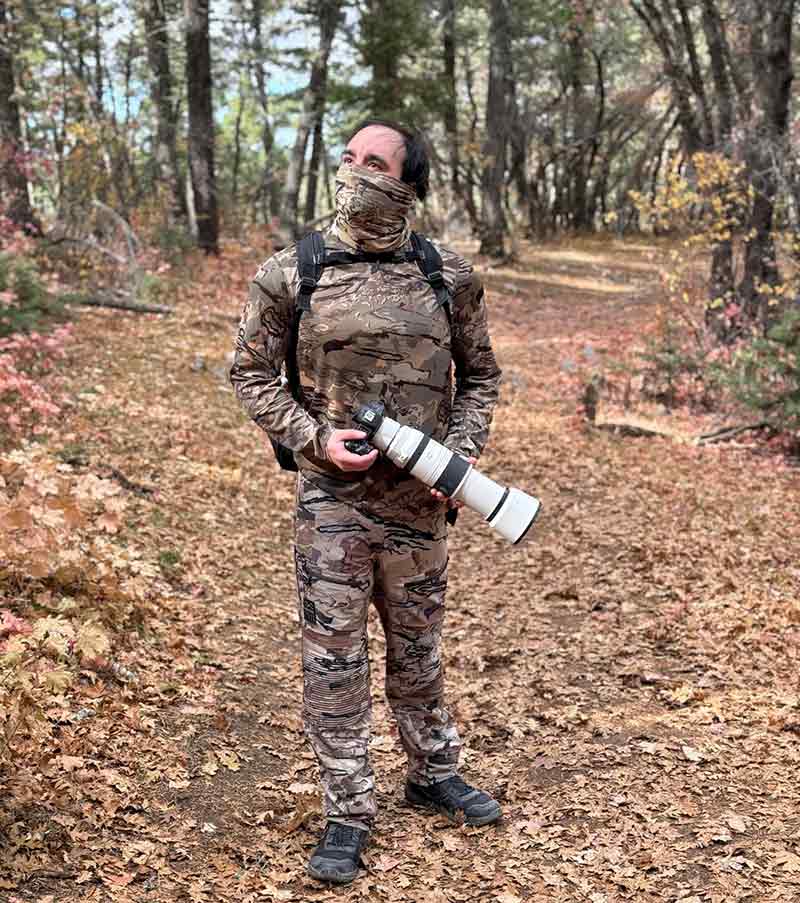
Before I was put on a biologic, I would wear UV protective sleeves on my arms. I had a lot of umbrellas that I would use to hide myself from the sun. I buy my sunscreen in bulk. I have one of them in my bedroom. I have another in my gym bag. I have them in my office.
Some of my co-workers joke with me that I have lotions everywhere. I’m constantly applying sunscreen, and even with that, I still burn a little bit or get irritated. But it’s not as bad as it used to be.
Have you felt that being part of the Hispanic community means advocating harder for yourself to get the care you need?
I feel like I had to advocate harder for myself. I felt a lot of times I was being dismissed, and I wasn’t being taken seriously. Even the recommendations were more holistic, as in because I’m Hispanic, I’m going to prefer a holistic treatment. No, I don’t prefer a holistic treatment if the holistic treatments are not working for me. Yes, I’ll give it a shot. I’ll try it out. But give me medication. Give me something that is proven to work. I want those treatments.
I think another factor of being Hispanic is that I feel like sometimes doctors are hesitant to give more expensive options. Maybe they’re thinking, ‘Oh, he’s a Hispanic individual, and he may be low income. He probably can’t afford expensive medication. So why give him a false hope and tell him this would work for him when he probably couldn’t even afford it?’
There are so many resources out there that could have helped me.
What do you wish doctors understood about caring for Hispanic patients like you?
I would want them to know there are patient assistant programs, coupons, and other ways to make medications more affordable. Don’t be so hesitant to prescribe medications just because someone may be low-income.
Maybe insurance can cover it, or is willing to cover it, or even if I have to pay for it – for example, when I started a biologic, I had to pay for it for the first few months. Now my insurance covers it 100%. Sometimes you have to spend a little bit of money for your insurance to cover it, but once it’s covered, you’re covered, and you’re set.
Do you feel there are gaps in care or representation for Hispanic patients with hives or skin conditions?
Every time I see an ad for a biologic, I really don’t see Hispanic representation. The ones I’ve seen are typically white patients. I know my skin appears white, but I’m not white. I definitely feel there’s not enough Hispanic representation in ads for treatments and medications.
And sometimes when I see images of hives, I’m like, “Is that what it’s supposed to look like?” Because that’s not what it looks like on me. It makes me feel like I’m being treated for the wrong thing.
I take a picture of my skin and do a Google image search, and it says I have an STD. Then I go to my doctor thinking I have an STD. And they test me for it, and they’re like, ‘Angel, you don’t have an STD.’ It’s just that hives happen to look similar to that.
Have you experienced stigma in the Hispanic community when talking openly about your hives?
Yes, 100%. I’ve been told I’m just trying to have clear, pretty skin. They say, ‘Oh, he’s vain because he cares about having clear, pretty skin, but everyone gets acne, everyone gets pimples, everyone gets these things.’ And people were just like, ‘Oh, it’s just vanity, vanity, vanity.’
But it’s not. It’s painful. It hurts. And I’m trying to get it resolved.
What advice would you give someone in your community who is experiencing hives?
Hives can be painful. Hives can be difficult. But ultimately, once you have them, once you find the solution that’s right for you, you can lead a normal, healthy life. It feels like a night-and-day difference where all that pain, all that misery, all that suffering, all that avoidance, it doesn’t have to happen anymore once you find a solution that works for you.
I’ve been told I’m like a vampire because I can’t be in the sun. But there are solutions that will literally change your life and make you feel like you’re a normal human being.
So don’t give up. Keep fighting for a recommendation. Keep fighting for a treatment. Keep fighting for a solution that’s right for you because there is one out there. And ultimately, no matter how bad it looks, you are still a beautiful person underneath.
Don’t let anyone ever make you feel bad for your health condition and how it manifests on your skin. Because ultimately, it’s part of you. It’s part of your body. And even during a flare-up, that person is still beautiful. And don’t forget that.
___
Angel’s story reminds us that skin conditions like solar urticaria can be misunderstood, not just by the public, but within the healthcare system itself. His experience highlights the importance of listening to patients, especially those in underrepresented communities.
If you or someone you know is living with chronic hives or solar urticaria, you’re not alone. Learn more about urticaria.


